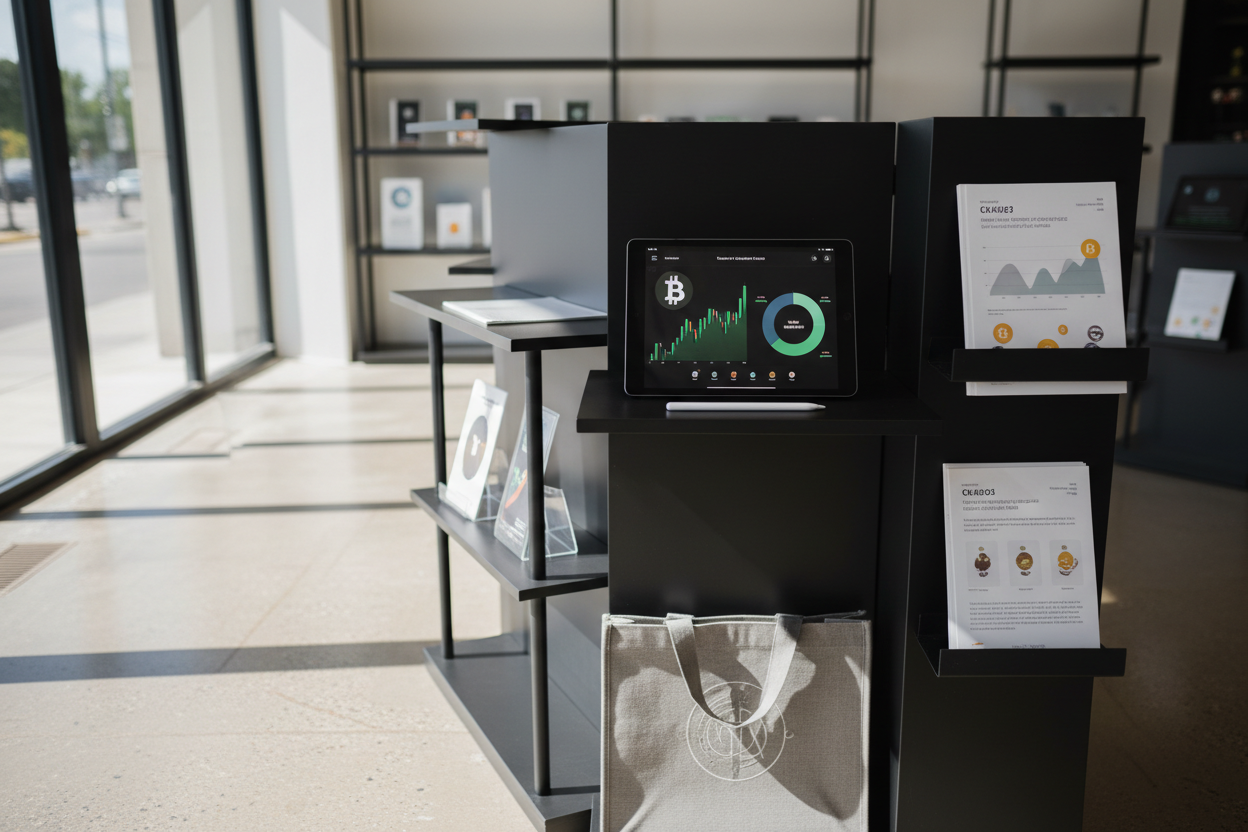


SEC Chair Paul Atkins recently made waves by stating on CNBC that the time is right for 401(k) plans to include cryptocurrency exposure, a move that could unlock opportunities in the $12.5 trillion retirement market. With Bitcoin holding steady at $75,363.00 despite a 24-hour dip of $-3,153.00 (-4.02%), Atkins’ comments highlight maturing infrastructure and growing investor familiarity with digital assets. Millions of Americans already gain indirect crypto access through pension funds, he noted, suggesting 401(k)s could follow suit under strict oversight.

This isn’t reckless enthusiasm. Atkins emphasizes professional management and robust guardrails, echoing President Trump’s August 2025 executive order on democratizing alternative assets. That directive pushes agencies to rethink qualified assets for defined contribution plans, potentially paving the way for bitcoin in 401k 2026 strategies. As a diversified investment advisor, I see this as a pragmatic step toward portfolio resilience, provided risks are clearly disclosed.
Atkins’ Blueprint: Guardrails for Crypto Retirement Safety
Paul Atkins sec crypto 401k discussions center on caution amid innovation. In his interview, Atkins pointed to improved custody solutions and regulatory clarity as green lights for measured inclusion. He advocates models mirroring existing pension oversight, where pros handle allocations and retirees stay informed via education. This aligns with crypto retirement accounts sec priorities: protect the nest egg while allowing growth potential.
Education is key for crypto in retirement accounts, Atkins stressed, ensuring individuals grasp volatility before diving in.
Contrast this with Sen. Elizabeth Warren’s pushback. She’s demanding SEC answers on risks to pension savings by January 2026, voicing concerns over crypto’s wild swings. Fair point; Bitcoin’s recent 24-hour low of $74,609.00 reminds us volatility persists. Yet Atkins counters that indirect exposures already exist, and exclusion ignores diversification benefits. My take? Balance both views: Warren’s scrutiny strengthens safeguards, while Atkins’ optimism reflects market evolution.
Bitcoin’s Role in Diversifying 401k Portfolios
Why Bitcoin now, at $75,363.00? It’s not just hype. As a non-correlated asset, it offers hedges against traditional market downturns, crucial for long-term retirement goals. Atkins notes better infrastructure, like secure custodians, makes 401k bitcoin allocation feasible without self-custody pitfalls. For forward-thinking investors, a small slice (say 1-5%) could enhance returns, backed by historical data showing crypto’s upside in diversified mixes.
SEC and CFTC leaders are aligning on this, striking a bullish yet measured tone. This collaboration signals regulatory maturity, reducing the patchwork that stalled prior efforts. In my practice, clients eyeing crypto in 401ks ask about allocation limits and rebalancing. Atkins’ vision supports plan sponsors offering it as a qualified default investment alternative (QDIA) option, with caps to mitigate downside.
Market Momentum and Regulatory Tailwinds
Current momentum bolsters Atkins’ case. Bitcoin’s resilience above $74,609.00 today follows institutional inflows and clearer U. S. policies. Trump’s executive order directs reevaluation of asset definitions, potentially fast-tracking sec cftc crypto 401k collaboration. Plan providers like Fidelity already test crypto options; expansion could follow if Atkins’ guardrails stick.
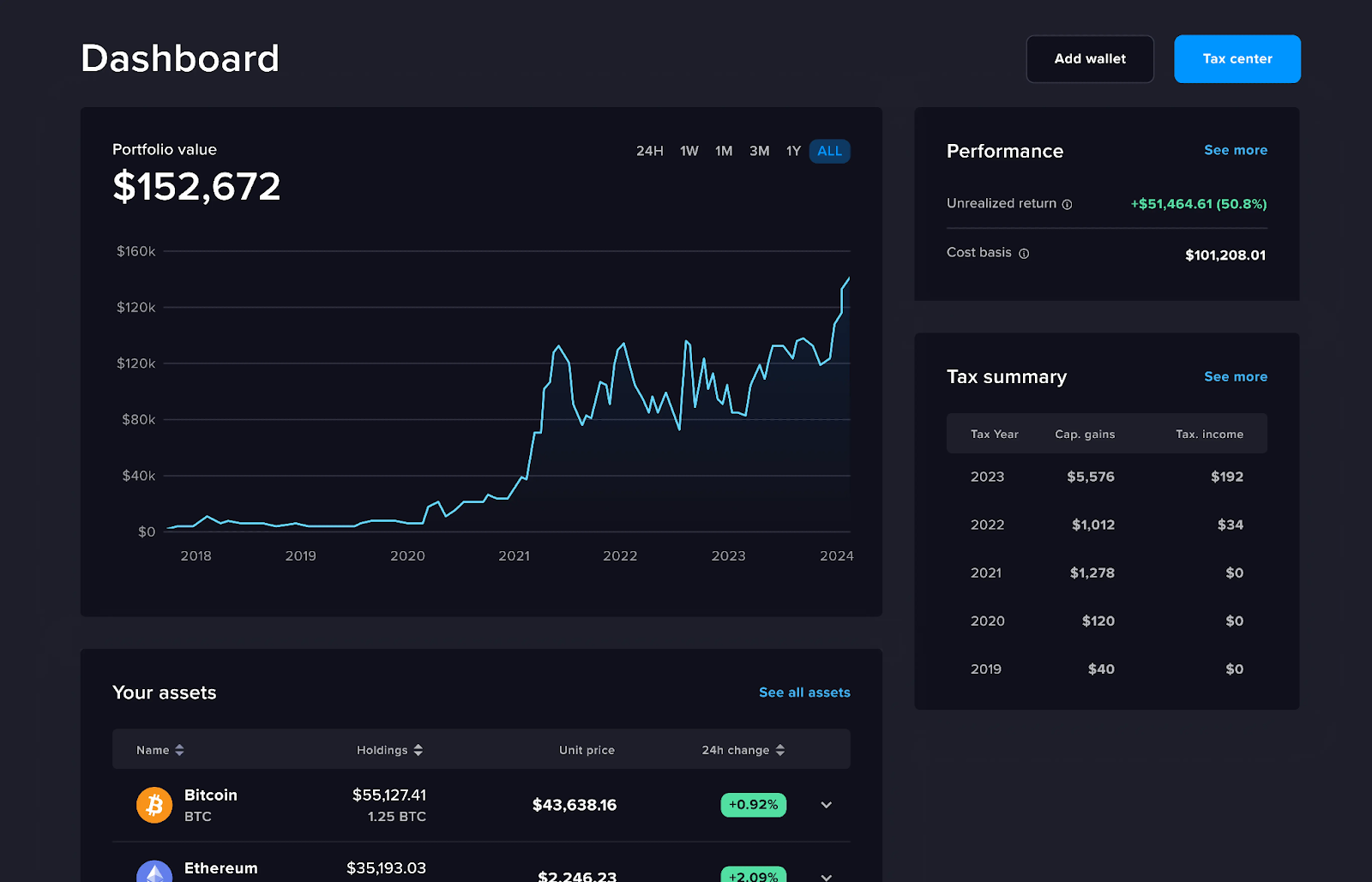
Practically, this means advisors like me can guide clients toward 401k bitcoin allocation with confidence. Start small, monitor via dashboards, and pair with bonds for stability. Risks? Absolutely, drawdowns like today’s 4.02% drop. But omission risks opportunity cost in a portfolio world where crypto’s growth trajectory shines.
Bitcoin (BTC) Price Prediction 2027-2032: 401(k) Adoption Impact
Predictions from 2026 baseline of $75,363, factoring SEC Chair Paul Atkins’ support for crypto in $12.5T retirement plans, regulatory clarity, halvings, and market cycles
| Year | Minimum Price | Average Price | Maximum Price | YoY % Change (Avg from Prior Year) |
|---|---|---|---|---|
| 2027 | $85,000 | $125,000 | $180,000 | +66% |
| 2028 | $140,000 | $220,000 | $350,000 | +76% |
| 2029 | $180,000 | $300,000 | $450,000 | +36% |
| 2030 | $250,000 | $420,000 | $600,000 | +40% |
| 2031 | $320,000 | $550,000 | $800,000 | +31% |
| 2032 | $400,000 | $750,000 | $1,200,000 | +36% |
Price Prediction Summary
Bullish outlook for Bitcoin with average prices surging from $125K in 2027 to $750K by 2032 (+500% total), propelled by 401(k) inflows, 2028 halving, and institutional adoption. Min/Max reflect bear/bull scenarios amid volatility.
Key Factors Affecting Bitcoin Price
- 401(k) integration unlocking $12.5T retirement market with safeguards
- SEC Chair Atkins’ endorsement and regulatory clarity
- 2028 Bitcoin halving increasing scarcity
- Continued ETF and institutional inflows
- Macro trends as inflation hedge and store of value
- Scaling improvements and global adoption
- Potential resistance from critics like Sen. Warren
Disclaimer: Cryptocurrency price predictions are speculative and based on current market analysis.
Actual prices may vary significantly due to market volatility, regulatory changes, and other factors.
Always do your own research before making investment decisions.
Atkins’ stance reassures that evolution, not revolution, defines this shift. Retirees deserve access, tempered by prudence.
That balance is what I’ve built my practice around: guiding clients through opportunities like bitcoin in 401k 2026 without chasing shadows. Atkins’ measured push invites plan sponsors to innovate responsibly, potentially expanding options beyond the usual stock-bond mix. Picture this: your 401(k) dashboard lighting up with a vetted crypto sleeve, managed by pros who rebalance amid swings like today’s dip from $79,054.00 to $74,609.00. It’s not a free-for-all; it’s evolution with training wheels.
Navigating Paul Atkins SEC Crypto 401k Realities
Crypto retirement accounts sec approval hinges on those guardrails Atkins champions. Custody standards have tightened, with qualified custodians now handling billions in digital assets securely. Education mandates would ensure participants understand Bitcoin’s volatility at $75,363.00 isn’t for the faint-hearted. Plan fiduciaries could limit exposure to 5%, auto-rebalance quarterly, and require opt-in acknowledgments. This setup mirrors how target-date funds blend equities and fixed income, just with a digital twist.
Opponents like Sen. Warren spotlight real pitfalls: flash crashes, hacks, regulatory whiplash. She’s right to probe; unchecked access could erode retirement security. But Atkins flips the script, arguing exclusion forfeits diversification in an era where Bitcoin hedges inflation better than some treasuries. In my advisory work, I’ve modeled portfolios where 2-3% crypto boosts Sharpe ratios over a decade, assuming disciplined execution. The $12.5 trillion market demands this nuance, not bans or booms.
Bitcoin in 401(k)s: Benefits & Guardrails
-
Diversification Perks: Bitcoin’s low correlation with traditional assets like stocks and bonds helps reduce overall portfolio volatility.
-

Custody Standards: Use qualified custodians such as Fidelity Digital Assets or Coinbase Custody for secure, regulated storage.
-
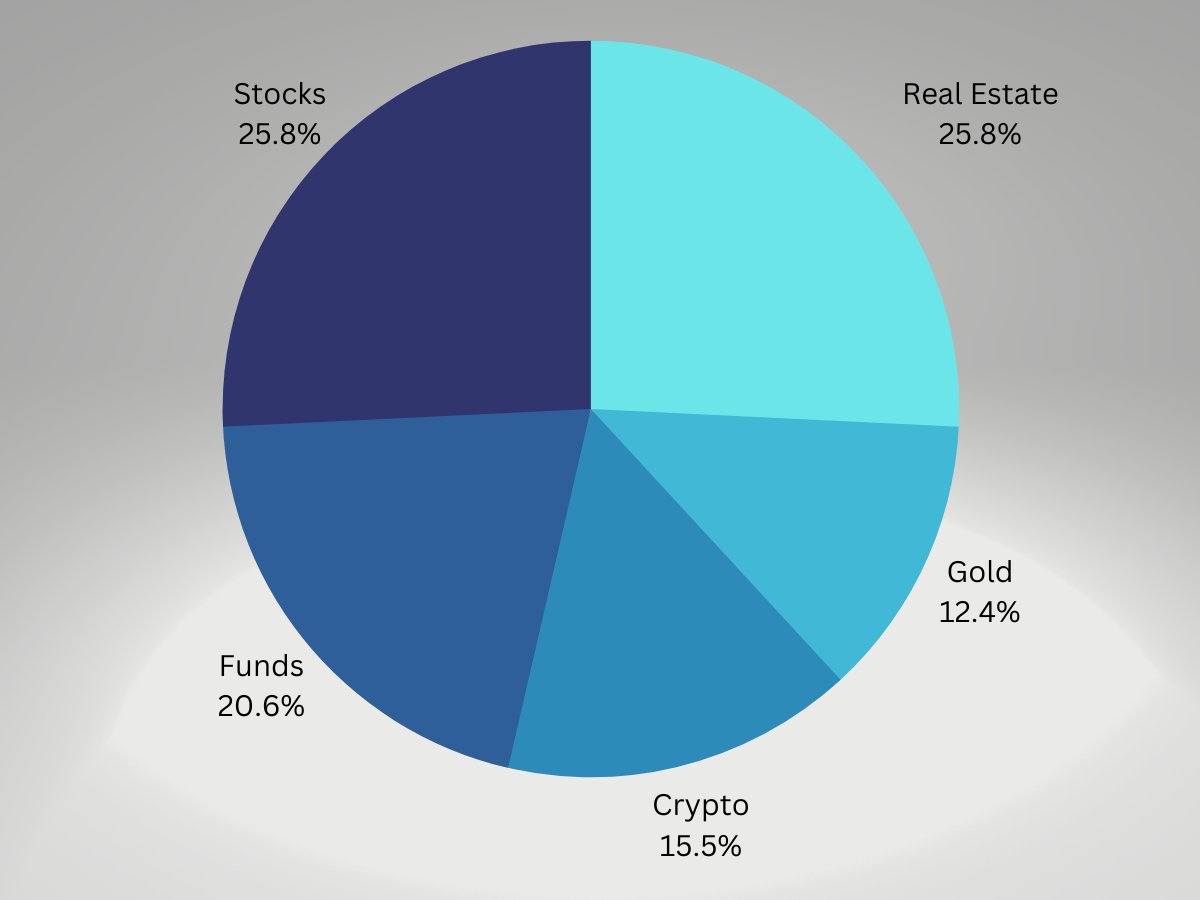
Allocation Caps: Limit Bitcoin to 5% or less of total 401(k) assets to manage risk exposure.
-

Education Requirements: Mandatory training on crypto volatility and risks, as stressed by SEC Chair Atkins.
-
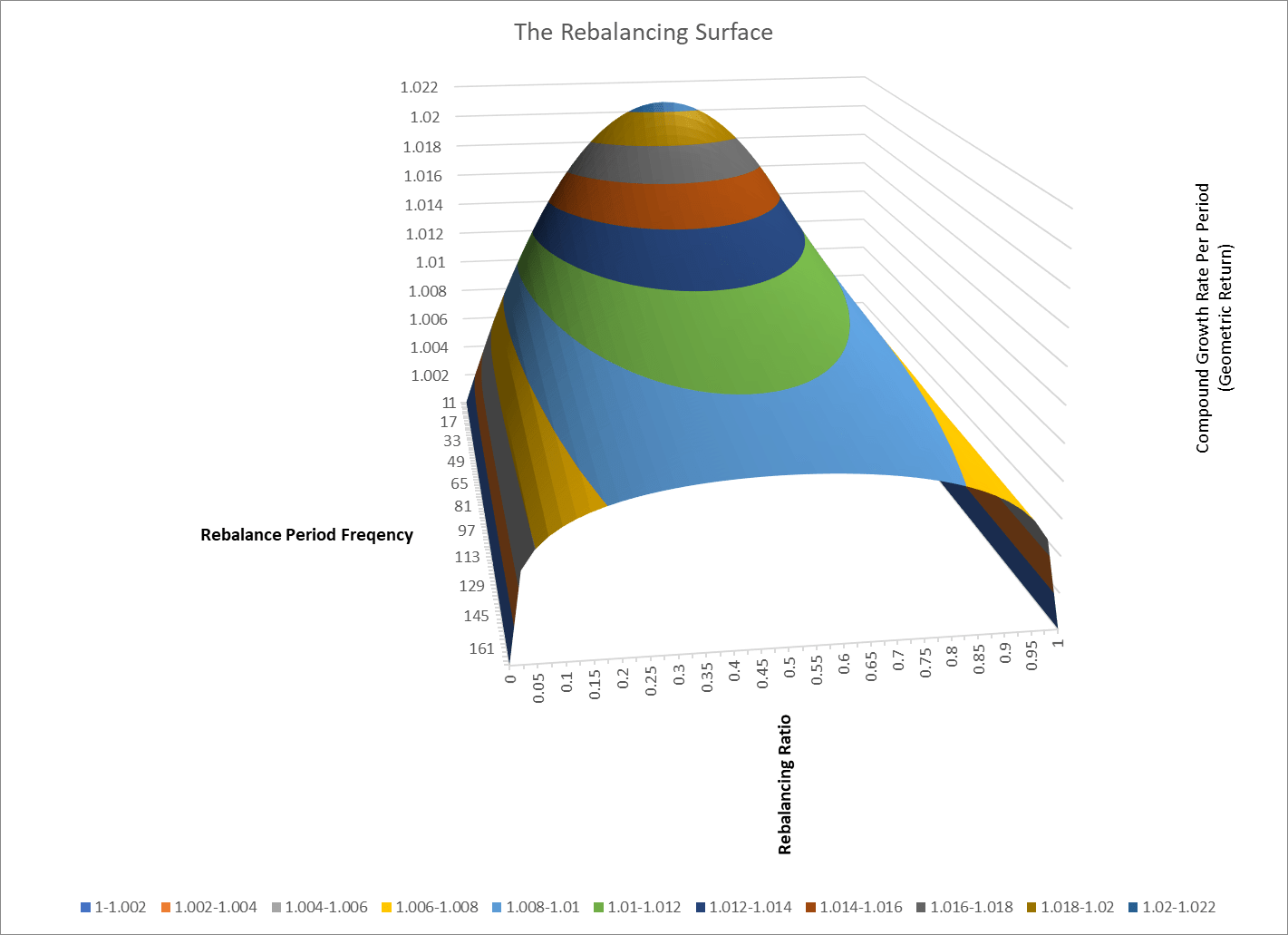
Rebalancing Protocols: Quarterly reviews to maintain target allocations and prevent overexposure.
-

Professional Oversight: Fiduciaries ensure compliance with DOL and SEC guardrails for retiree protection.
Forward momentum is palpable. SEC-CFTC harmony under Atkins could streamline approvals by mid-2026, syncing with Trump’s asset reevaluation. Providers signal readiness; Fidelity’s crypto IRA success hints at 401(k) pilots. For investors, this means scouting plans with robust dashboards and advisor input. My clients thrive by stress-testing allocations: what if Bitcoin drops another 4.02% tomorrow? Bonds and cash cushions absorb it, preserving the growth edge.
Hands-On Strategies for Risk-Aware Investors
Ready to position for crypto in 401(k)s? Start by reviewing your plan’s investment menu; forward-leaning sponsors may roll out options soon. Allocate conservatively: 1% for novices, scaling to 5% as comfort grows. Pair with low-volatility assets, and set alerts for 20% drawdowns. Education is non-negotiable; Atkins nails it. Resources from plan providers demystify volatility, turning $75,363.00’s daily flux into informed decisions.
I’ve walked dozens through this. One client, nearing retirement, added 2% Bitcoin via a brokerage window last year; it offset equity slumps while staying within fiduciary bounds. Scale matters: for a $500,000 401(k), that’s $10,000 at risk, buffered by the rest. Monitor halvings, ETF flows, and policy shifts; they propel Bitcoin past resistance like today’s low. Prudence pays: rebalance annually, harvest tax losses in Roth legs if available.
Bitcoin’s non-correlation shines in portfolios, but only with strict limits and oversight, as Atkins outlines.
Challenges persist. Liquidity crunches during stress tests worry fiduciaries, and Warren’s scrutiny could delay rollouts. Yet market data reassures: institutional custody holds $100 billion plus without major breaches. Atkins’ blueprint prioritizes that track record, urging measured steps over moratoriums.
As Bitcoin steadies post-dip, Atkins’ vision feels timely. Retirees gain a tool for resilience, advisors a framework for guidance, and the market a vote of confidence. Diversify thoughtfully, stay educated, and let balance drive your 401(k) forward. Growth rooted in caution endures.
About the Author