


Bitcoin hovers at $69,052.00 today, reflecting a 1.95% dip over the past 24 hours from a high of $71,569.00. This volatility underscores why retirement investors eye crypto ETFs for 401(k) plans with both excitement and caution. In 2026, the question isn’t just can you buy Bitcoin in a 401k, but how through regulated vehicles like spot ETFs, now increasingly accessible amid shifting regulations.

Regulatory tailwinds have transformed the landscape. President Trump’s August 2025 executive order pushed federal agencies to broaden 401(k) options, including private equity and crypto. The Department of Labor followed by rescinding its 2022 cautionary stance on cryptocurrencies, empowering plan fiduciaries to evaluate these assets on merit. This pivot clears hurdles for crypto ETF 401k integration, particularly spot Bitcoin funds that hold actual BTC rather than futures contracts.
Spot Bitcoin ETFs: Prime Candidates for 401(k) Portfolios
Spot Bitcoin ETFs stand out as the cleanest path to buy bitcoin 401k 2026. Unlike direct holdings, they offer institutional-grade custody, liquidity, and transparency, mitigating key fiduciary concerns. Leading options include Fidelity Wise Origin Bitcoin Fund (FBTC) at 0.25% expense ratio and $17.9 billion AUM, iShares Bitcoin Trust (IBIT) matching that fee with $70.2 billion AUM, and Grayscale Bitcoin Mini Trust (BTC) at a lean 0.15% expense with $4.3 billion AUM. These funds track Bitcoin’s spot price precisely, currently $69,052.00, delivering exposure without the wallet management headaches.
For diversification seekers, Bitwise 10 Crypto Index ETF (BITW) spans the top ten cryptos at 0.75% expense and $1.1 billion AUM. Altcoin plays like Canary XRP ETF (XRPC) and Bitwise Solana Staking ETF (BSOL) add flavor, the latter boasting zero fees via waivers and $636 million AUM. I view these as tactical adds, not core holdings, given Bitcoin’s dominance in crypto retirement strategies.

Fidelity Paves the Path, But Vanguard Lags
Fidelity Investments leads, permitting Bitcoin in select 401(k)s with employer nod and digital asset fees of 0.75% to 0.90%. Their FBTC ETF exemplifies low-cost access, aligning with zero-fee index funds already popular in plans. Solo 401(k) users benefit too; Fidelity tops providers with no setup fees, alongside Schwab and E*TRADE for ETF-heavy self-directed accounts.
Vanguard, managing 1,400 plans, shows no rush, per spokespeople. Yet whispers suggest they may relent, eyeing BlackRock and Fidelity’s crypto gains. This divergence forces savers to scrutinize plan documents. If your employer sticks to traditional assets, consider rollovers to providers embracing bitcoin etf retirement plan options. Check this step-by-step guide for self-directed paths.
Navigating Volatility and Fiduciary Realities
Bitcoin’s $69,052.00 price masks risks: 24-hour swings like today’s -1.95% drop highlight potential for sharper declines. Custody issues, tax ambiguities, and market manipulation linger, even in ETFs. Forbes notes evolving IRS guidance could impact taxation, urging conservative allocations, say 1-5% of portfolios.
Fiduciaries must justify inclusions under ERISA prudence standards. DOL’s neutral shift helps, but data drives decisions: Bitcoin’s historical returns outpace stocks, yet drawdowns exceed 70%. Pair ETFs with broad indexes for balance. For forward projections:
Bitcoin (BTC) Price Prediction 2027-2032
Forecasts influenced by Bitcoin ETF adoption in 401(k) plans, regulatory easing, and market cycles
| Year | Minimum Price | Average Price | Maximum Price | YoY % Change (Avg from Prior) |
|---|---|---|---|---|
| 2027 | $55,000 | $95,000 | $140,000 | +36% |
| 2028 | $90,000 | $160,000 | $280,000 | +68% |
| 2029 | $140,000 | $240,000 | $400,000 | +50% |
| 2030 | $180,000 | $280,000 | $450,000 | +17% |
| 2031 | $220,000 | $350,000 | $550,000 | +25% |
| 2032 | $280,000 | $450,000 | $700,000 | +29% |
Price Prediction Summary
Bitcoin is projected to see robust growth from 2027-2032, driven by institutional inflows via 401(k)-eligible ETFs like FBTC and IBIT, DOL regulatory shifts, and the 2028 halving. Average prices rise from $95,000 to $450,000, with min/max capturing bearish corrections and bullish adoption surges.
Key Factors Affecting Bitcoin Price
- Mass adoption of spot Bitcoin ETFs (e.g., IBIT $70B+ AUM, FBTC $18B) in retirement plans
- U.S. regulatory support via executive orders and DOL policy rollbacks
- 2028 Bitcoin halving enhancing scarcity and historical bull cycles
- Growing institutional participation from Fidelity, BlackRock, and others
- Market maturation reducing volatility; BTC dominance amid competition
- Broader use cases in payments, DeFi, and as digital gold
Disclaimer: Cryptocurrency price predictions are speculative and based on current market analysis.
Actual prices may vary significantly due to market volatility, regulatory changes, and other factors.
Always do your own research before making investment decisions.
Integrating crypto 401k options demands discipline. Limit exposure, rebalance quarterly, and monitor AUM growth; IBIT’s $70.2 billion signals staying power. As plans evolve, these ETFs bridge traditional retirement to digital assets, potentially supercharging long-term growth for those who allocate smartly.
Explore allocation limits and providers next.
Allocation limits vary by plan sponsor, but prudent fiduciaries cap crypto at 5% to temper volatility. With Bitcoin steady at $69,052.00, even modest stakes could amplify returns; historical data shows 2% allocations boosting portfolio growth by 0.5-1% annually in backtests, adjusted for drawdowns. Target date funds may soon embed these ETFs, blending crypto’s upside with equity stability.
Top Crypto ETFs: Fees, AUM, and 401(k) Fit
Top Bitcoin and Crypto ETFs for 401(k) Plans in 2026 (BTC Price: $69,052.00)
| Ticker | Expense Ratio (%) | AUM | Primary Focus |
|---|---|---|---|
| FBTC | 0.25% | $17.9B | Spot Bitcoin (Fidelity Wise Origin Bitcoin Fund) |
| IBIT | 0.25% | $70.2B | Spot Bitcoin (iShares Bitcoin Trust) |
| BTC | 0.15% | $4.3B | Spot Bitcoin (Grayscale Bitcoin Mini Trust) |
| BITW | 0.75% | $1.1B | Top 10 Cryptocurrencies (Bitwise 10 Crypto Index) |
| XRPC | 0.50% | $334M | XRP (Canary XRP ETF) |
| BSOL | 0% | $636M | Solana with Staking (Bitwise Solana Staking ETF) |
These funds shine for bitcoin etf retirement plan inclusion due to low fees and scale. IBIT’s massive AUM underscores investor trust, while BSOL’s staking yield appeals to yield hunters in self-directed 401(k)s. Avoid overpaying; fees above 0.5% erode long-term compounding in tax-advantaged accounts.
Solo 401(k) holders gain flexibility. Fidelity leads with zero setup costs and ETF access; Schwab offers low-cost brokerage, E*TRADE robust trading tools. For employer plans lagging, rollovers unlock these via IRA conversions, preserving tax deferral.
Pros & Cons of Crypto ETFs in 401(k)s
-

Pro: Diversification – Crypto ETFs like iShares Bitcoin Trust (IBIT) and Fidelity Wise Origin Bitcoin Fund (FBTC) provide exposure to assets often uncorrelated with stocks and bonds, reducing overall portfolio risk.
-
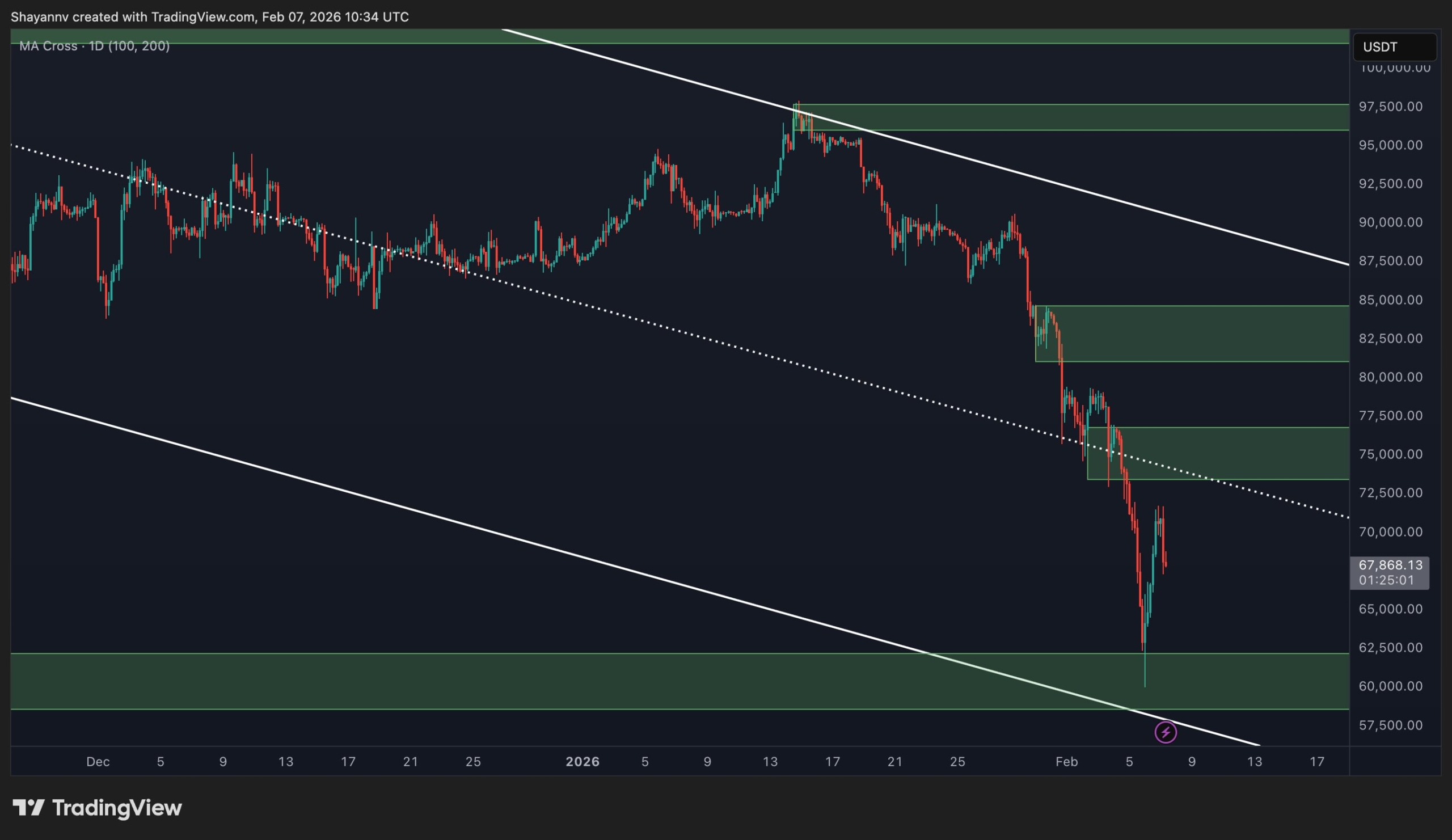
Pro: Growth Potential – Bitcoin’s price at $69,052 (24h change: -1.95%) highlights historical high returns, with spot ETFs enabling retirement savers to capture upside.
-

Pro: Regulated Access – SEC-approved spot Bitcoin ETFs offer a compliant, custodial way to invest via 401(k)s, as seen with Fidelity’s offerings post-DOL policy shift.
-
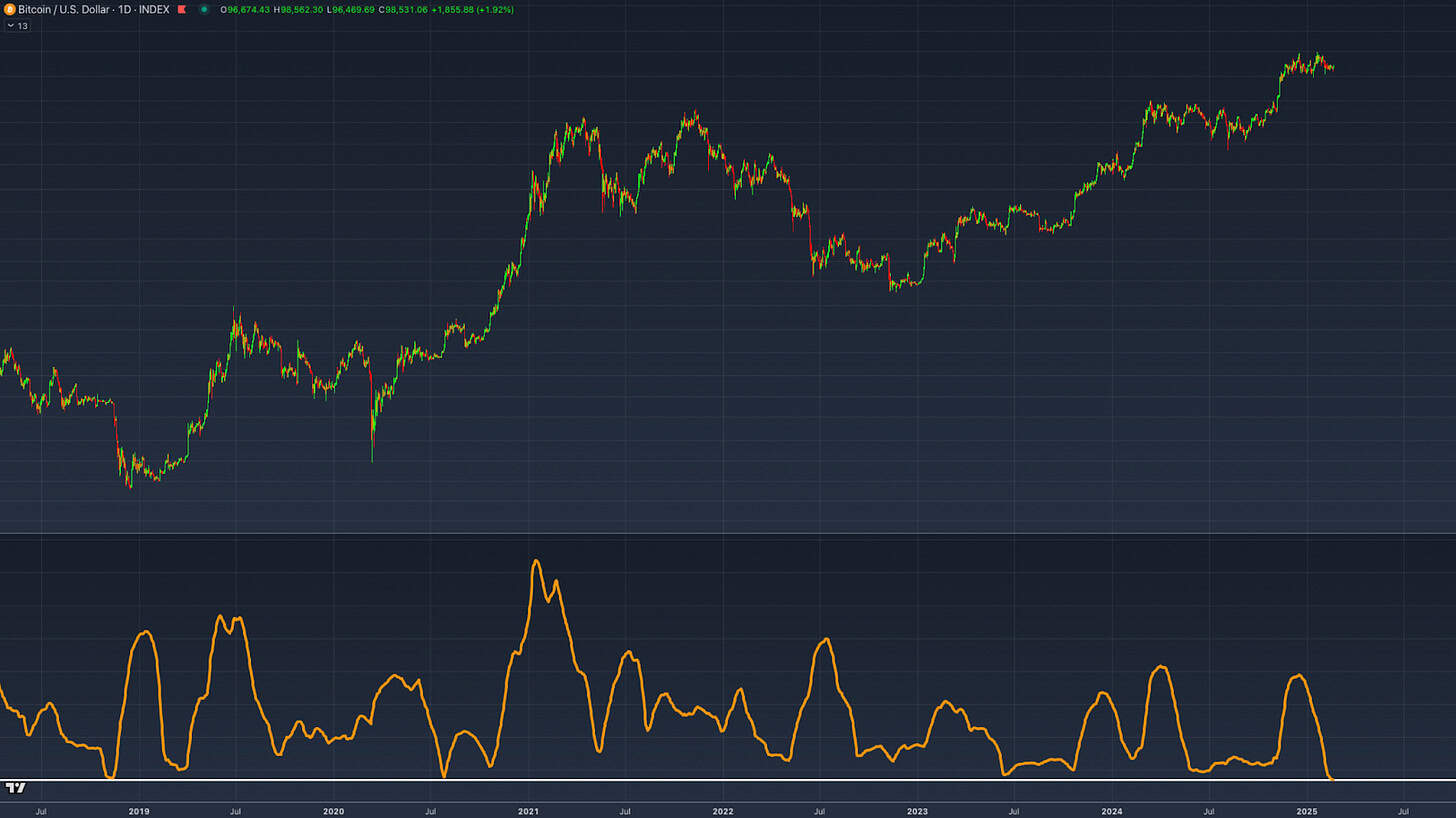
Con: Volatility – Bitcoin’s 24h range from $71,569 high to $69,052 low exemplifies sharp swings, risking retirement principal amid Forbes-noted price declines.
-
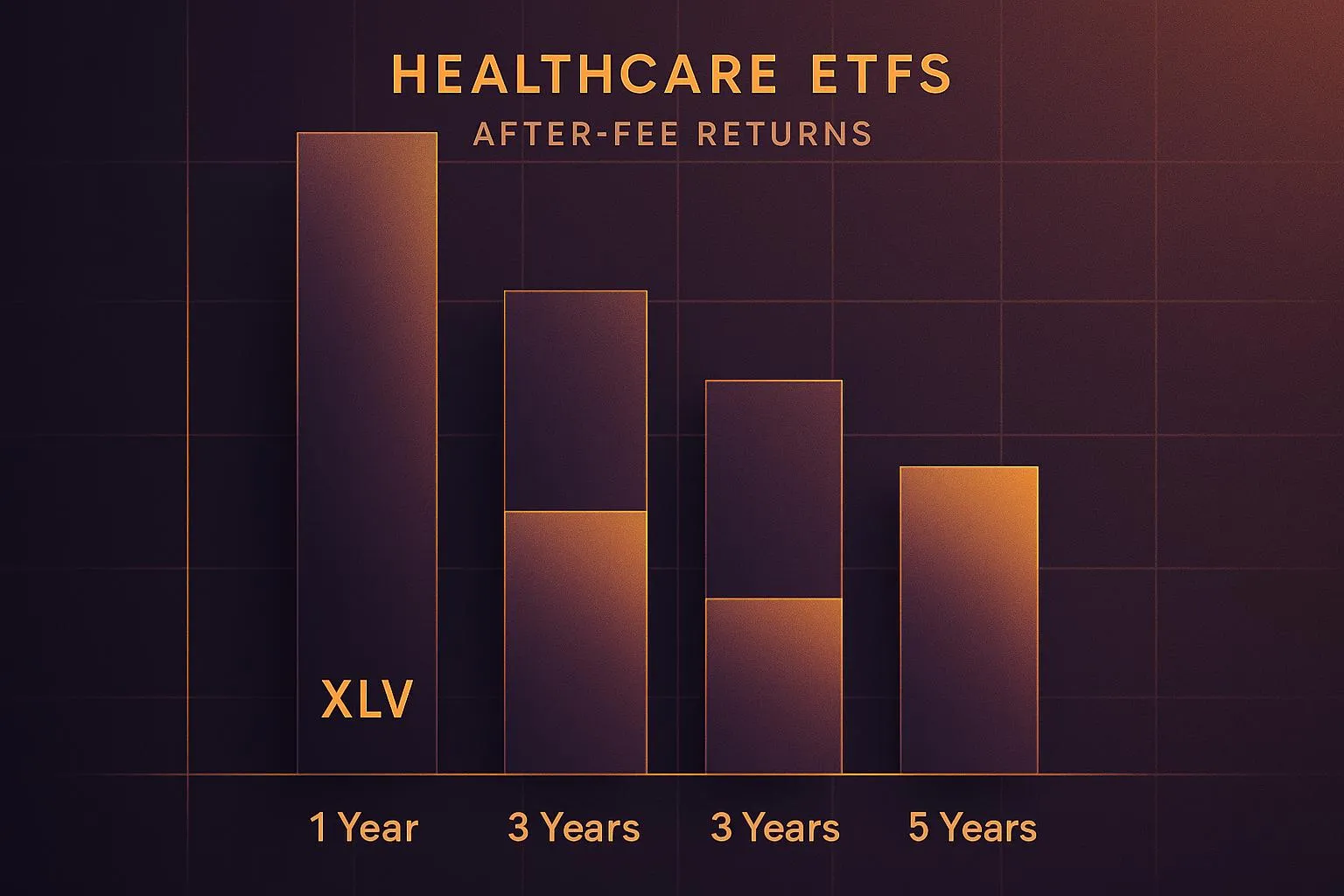
Con: Fees – Expense ratios like 0.25% for FBTC/IBIT or 0.75% for BITW, plus potential 0.75%-0.9% Fidelity digital asset fees, erode long-term returns.
-

Con: Regulatory Shifts – Evolving IRS taxation and DOL guidance, despite 2025 executive order, introduce uncertainty for 401(k) inclusion per Forbes and Blockworks.
Risk Management Essentials
Volatility demands guardrails. Bitcoin’s 24-hour range from $69,052.00 to $71,569.00 exemplifies swings that test resolve. Implement dollar-cost averaging to navigate dips, rebalance semiannually to lock gains, and stress-test portfolios against 50% drops. Custody via ETFs sidesteps hacks, but IRS rules on digital assets evolve; track updates to avoid tax pitfalls.
Fiduciaries prioritize data: Bitcoin’s Sharpe ratio lags stocks in calm markets but excels in bull runs. Blend with S and P 500 ETFs for hybrid vigor. Vanguard’s hesitation contrasts Fidelity’s boldness, yet competition may force parity by year-end.
6-Month Performance: Bitcoin ETFs vs. S&P 500 for Retirement Diversification
Comparison of Bitcoin (BTC), spot Bitcoin ETFs (IBIT, FBTC), and SPDR S&P 500 ETF (SPY) amid 401(k) crypto integration discussions
| Asset | Current Price | 6 Months Ago | Price Change |
|---|---|---|---|
| Bitcoin (BTC) | $69,186.00 | $82,548.91 | -16.2% |
| iShares Bitcoin Trust (IBIT) | $39.71 | $50.61 | -21.6% |
| Fidelity Wise Origin Bitcoin Fund (FBTC) | $61.03 | $77.75 | -21.5% |
| SPDR S&P 500 ETF Trust (SPY) | $677.18 | $650.00 | +4.2% |
Analysis Summary
Over the past six months, Bitcoin and its spot ETFs (IBIT, FBTC) have declined by 16.2% to 21.6%, underperforming the S&P 500 ETF (SPY), which gained 4.2%. This underscores crypto’s volatility versus traditional assets for retirement portfolios.
Key Insights
- Bitcoin (BTC) fell 16.2%, reflecting broader crypto market decline.
- Bitcoin ETFs IBIT and FBTC dropped 21.6% and 21.5%, respectively, amplifying direct BTC exposure losses.
- SPY rose 4.2%, demonstrating resilience in equities amid crypto downturn.
- Highlights risks of crypto in 401(k)s, favoring diversified stable assets for retirement.
Data sourced exclusively from provided real-time market data (StatMuse, Forbes, Yahoo Finance, CoinGecko). 6-month changes calculated from prices as of 2026-03-11; historicals from ~2025-09-12.
Data Sources:
- Main Asset: https://www.statmuse.com/money/ask/bitcoin-price-history-march-2025
- iShares Bitcoin Trust: https://www.forbes.com/advisor/investing/cryptocurrency/best-bitcoin-etfs/
- Fidelity Wise Origin Bitcoin Fund: https://www.forbes.com/advisor/investing/cryptocurrency/best-bitcoin-etfs/
- SPDR S&P 500 ETF Trust: https://finance.yahoo.com/quote/SPY/history
- Ethereum: https://www.coingecko.com/en/coins/ethereum/historical_data
- Solana: https://www.coingecko.com/en/coins/solana/historical_data
- BNB: https://www.coingecko.com/en/coins/bnb/historical_data
- XRP: https://www.coingecko.com/en/coins/xrp/historical_data
Disclaimer: Cryptocurrency prices are highly volatile and subject to market fluctuations. The data presented is for informational purposes only and should not be considered as investment advice. Always do your own research before making investment decisions.
Advisors increasingly allocate via these vehicles, citing regulatory green lights. For hands-on execution, review plan menus or broker self-directed brokerage windows (SDBW). Providers like Fidelity charge 0.75-0.90% for direct crypto, but ETFs trim that to 0.15-0.25%.
Frequently Asked Questions
Plans embracing crypto 401k options position savers for asymmetric upside. With DOL barriers lifted, expect broader adoption; monitor AUM as liquidity proxy. Discipline trumps hype: a 3% Bitcoin ETF slice at today’s $69,052.00 could redefine retirements by 2040, provided you stay allocated through cycles. Forward-thinking investors act now, leveraging ETFs to fuse tradition with innovation.
Dig deeper with this self-directed guide.
About the Author