
New DOL rules for alternative assets
The Department of Labor issued a proposed rule in March 2026 that fundamentally shifts the regulatory landscape for 401(k) plan fiduciaries considering alternative investments, including cryptocurrency. For years, fiduciaries faced significant litigation risks when exploring non-traditional assets, leading many to simply exclude them from plan menus regardless of potential benefits. This new proposal aims to remove those barriers by clarifying how fiduciaries can evaluate and include these assets in retirement plans.
The core change lies in the fiduciary standard itself. Under the proposed rule, fiduciaries can consider the potential for higher returns and diversification provided by alternative assets like crypto and private equity, even if they are more volatile than traditional stocks and bonds. Previously, the fear of being sued for allowing "risky" assets often overshadowed any potential diversification benefits. The new guidance allows fiduciaries to weigh these factors more openly, provided they follow a prudent process.
It is critical to understand that this rule does not mandate crypto in 401(k)s. Participation remains entirely optional for employers. Plan sponsors are not required to offer cryptocurrency or any other alternative asset. Instead, the rule provides a clearer legal pathway for those who choose to explore these options. If an employer decides to include crypto, they must still ensure the investment is prudent and in the best interest of participants, but the litigation shadow that previously clouded these decisions has been lifted.
This shift could open the door for more retirement plans to offer cryptocurrency options, giving participants greater choice in how they allocate their savings. However, the decision to include such assets will likely vary widely across industries and company sizes. Fiduciaries will need to carefully evaluate the risks and benefits before making any changes to their plan offerings.
Check if your plan allows crypto
Before you can allocate funds to digital assets, you must confirm whether your employer’s 401(k) plan actually supports cryptocurrency investments. This is not a universal feature; access depends entirely on whether your specific plan administrator has added crypto options to the investment menu.
The landscape is shifting. In 2022, Fidelity became the first major firm to allow investors to add crypto assets to their 401(k) accounts, signaling a broader industry movement. Recent reports indicate that political pressure and employer interest are further opening doors for alternative investments like crypto and private equity in retirement plans. However, availability is not guaranteed. Even if your plan provider offers crypto, your employer must explicitly choose to include it in your specific plan documents.
To verify your eligibility, start by reviewing your current plan’s investment lineup. Look for a dedicated "crypto" or "alternative assets" section alongside traditional stocks and bonds. If you cannot find it in your online portal, contact your plan administrator or HR department directly. They can confirm whether crypto is an available option or if your plan currently restricts investments to traditional assets.
Steps to add crypto to your 401(k)
Adding cryptocurrency to a 401(k) requires moving through specific administrative and technical checkpoints. You cannot simply buy Bitcoin in a standard plan; you must first secure the legal vehicle to hold digital assets, then execute the trade through a compliant provider.
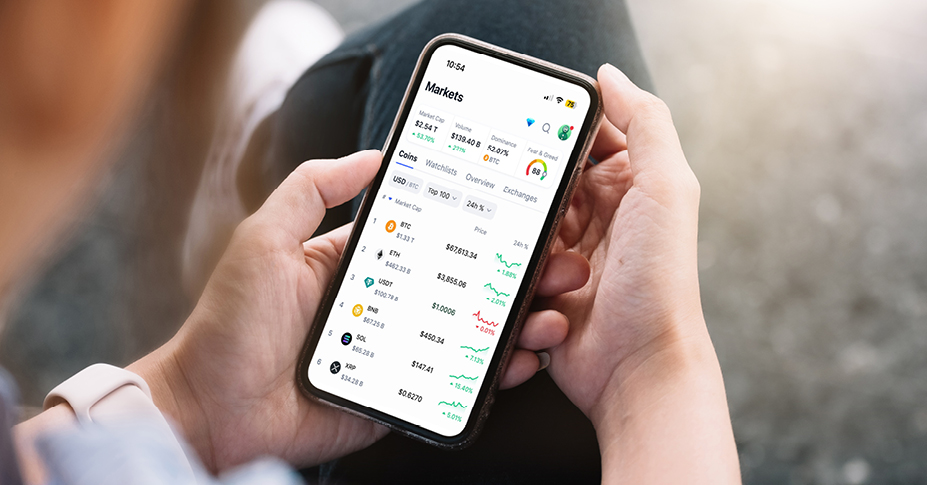
Most traditional 401(k) plans do not allow cryptocurrency investments. You must first verify if your employer has adopted a self-directed 401(k) plan that explicitly permits digital assets. Check your plan summary or contact your HR department to determine if crypto is an available investment option.

If your current plan lacks crypto options, you may need to transition to a self-directed solo 401(k) if you are a business owner or independent contractor. This structure gives you the authority to direct funds into alternative assets like Bitcoin and Ethereum. Consult a tax professional to ensure the rollover or setup complies with IRS regulations.
Not all custodians support digital currencies. You must choose a provider that integrates directly with your 401(k) plan. Providers like ForUsAll or IRA Financial specialize in this niche, offering low trading fees and direct access to major cryptocurrencies. Ensure the provider is fully compliant with Department of Labor guidelines.

Contribute to your new or existing 401(k) through standard payroll deductions or rollovers from previous employer plans. For 2026, eligible participants can contribute up to $72,000 annually, or up to $80,000 for those age 50 and older. These funds sit in your account as cash until you direct them toward specific investments.

Once your account is funded and your provider is active, log in to the platform to allocate a portion of your balance to cryptocurrency. You can buy spot Bitcoin, Ethereum, or other approved tokens. Remember that these assets are held in custody by your provider, not in a personal wallet, ensuring they remain part of your tax-advantaged retirement structure.
Solo 401(k) options for self-employed
A Solo 401(k) offers the highest contribution limits of any self-employed retirement vehicle, making it the most aggressive way to add crypto to your retirement portfolio. Unlike employer-sponsored plans, you control the plan document and investment options, allowing direct allocation to cryptocurrency through a self-directed custodian.
For 2026, eligible participants can contribute up to $72,000 annually, or up to $80,000 for participants age 50 and older with catch-up contributions [src-serp-3]. This limit includes both your employee deferral (up to $24,500) and employer profit-sharing contributions [src-serp-7]. By maximizing these contributions, you can significantly increase your exposure to digital assets while reducing your current taxable income.
To execute this strategy, you must open a self-directed Solo 401(k) with a custodian that explicitly supports cryptocurrency. Standard brokerage firms often prohibit crypto holdings, so you will need a specialized provider that can hold digital assets in custody. Once the account is established, you can direct the custodian to purchase Bitcoin or Ethereum, treating them as alternative assets within your retirement plan.
Be aware that while contributions are tax-advantaged, selling crypto within the plan triggers taxable events if you have a traditional Solo 401(k). A Roth Solo 401(k) allows for tax-free growth and withdrawals, provided you meet the five-year rule and age requirements. Consult a tax professional to determine which structure best fits your financial goals before making contributions.
Common mistakes when adding crypto to your 401(k)
Adding digital assets to a retirement account introduces risks that traditional stocks and bonds rarely carry. The most immediate pitfall is high fees. Crypto 401(k) plans often include administrative surcharges and higher expense ratios for alternative asset funds, which can erode long-term compounding. Before allocating funds, verify the exact fee structure with your plan administrator.
Liquidity is another critical factor. Unlike shares of Apple or Vanguard ETFs, crypto markets trade 24/7, but your 401(k) may only allow transactions during specific windows. If you need to rebalance your portfolio during a market downturn, you might be locked out of selling until the next business day, potentially turning a temporary dip into a permanent loss.
Diversification suffers when crypto becomes a dominant position. Because digital assets are highly volatile, a small allocation (typically 1-5%) is standard. Treating crypto as a core holding rather than a satellite asset exposes your retirement savings to unnecessary swings. Use the checklist below to ensure you are not overexposing your portfolio to these risks.
-
Verify all administrative and transaction fees for crypto options
-
Confirm liquidity windows and trading restrictions
-
Limit crypto allocation to 1-5% of total portfolio
No comments yet. Be the first to share your thoughts!