
Crypto 401k 2026 limits to account for
The landscape for cryptocurrency in retirement accounts is shifting under the weight of new regulatory proposals. A US Department of Labor plan introduced this year would officially allow 401(k) investments to include cryptocurrency and private credit. While this opens the door for digital assets in traditional workplace plans, it has sparked significant political and administrative debate. Democrats are actively opposing this effort, citing concerns over investor protection and market volatility in the context of long-term retirement savings.
For those navigating these changes, the immediate impact involves understanding the new contribution limits alongside the availability of crypto options. For 2026, eligible participants can contribute up to $72,000 annually, or up to $80,000 for participants age 50 and older when catch-up contributions are factored in. This higher ceiling provides more flexibility, but only if your specific plan administrator has chosen to offer crypto access.
The constraint lies not in the IRS limits, but in the plan design. Most traditional 401(k) plans currently do not support crypto. If you want exposure to digital assets, you may need to look toward Solo 401(k) plans or self-directed IRAs that explicitly permit these holdings. The 2026 rules clarify the possibility of inclusion, but they do not mandate it, leaving the decision to plan sponsors and fiduciaries.
Crypto 401k 2026 choices that change the plan
The Department of Labor’s 2026 proposal to allow cryptocurrency in 401(k) plans introduces a significant shift in retirement planning, but it also creates a complex landscape of tradeoffs that require careful evaluation. While the White House encourages these investments to diversify retirement portfolios, the inherent volatility of digital assets presents distinct risks compared to traditional holdings like stocks or bonds. Understanding these factors is essential for determining whether crypto aligns with your long-term financial goals.
Volatility vs. Potential Growth
Cryptocurrencies are fundamentally unsuitable for some retirement accounts due to extreme price swings and a lack of concrete underlying value. Unlike traditional assets, crypto can experience rapid fluctuations that may jeopardize retirement security. However, proponents argue that including crypto can offer high growth potential, potentially outperforming traditional assets over long periods. The tradeoff is clear: higher risk of loss in exchange for the possibility of significantly higher returns.
Regulatory Uncertainty
The regulatory environment for crypto in retirement accounts is still evolving. Democrats have strongly opposed the Department of Labor's proposal, citing concerns about investor protection. This political divide suggests that regulations may change, potentially impacting the availability and taxation of crypto in 401(k) plans. Investors must stay informed about legislative developments that could affect their retirement strategies.
Fees and Complexity
Adding crypto to a 401(k) plan often involves additional fees and administrative complexity. Plan administrators must implement new custody solutions and reporting mechanisms, which can increase costs for participants. These fees may eat into investment returns, making it crucial to evaluate whether the potential benefits of crypto outweigh the added expenses. Additionally, managing crypto assets requires a higher level of financial literacy and active decision-making.
| Factor | Traditional 401(k) | Crypto 401(k) | Risk Level | Liquidity |
|---|---|---|---|---|
| Volatility | Low to Moderate | High | High | High |
| Regulation | Stable | Evolving | Moderate | High |
| Fees | Standard | Potentially Higher | Low | High |
| Growth Potential | Moderate | High | High | High |
Choose your RMD strategy
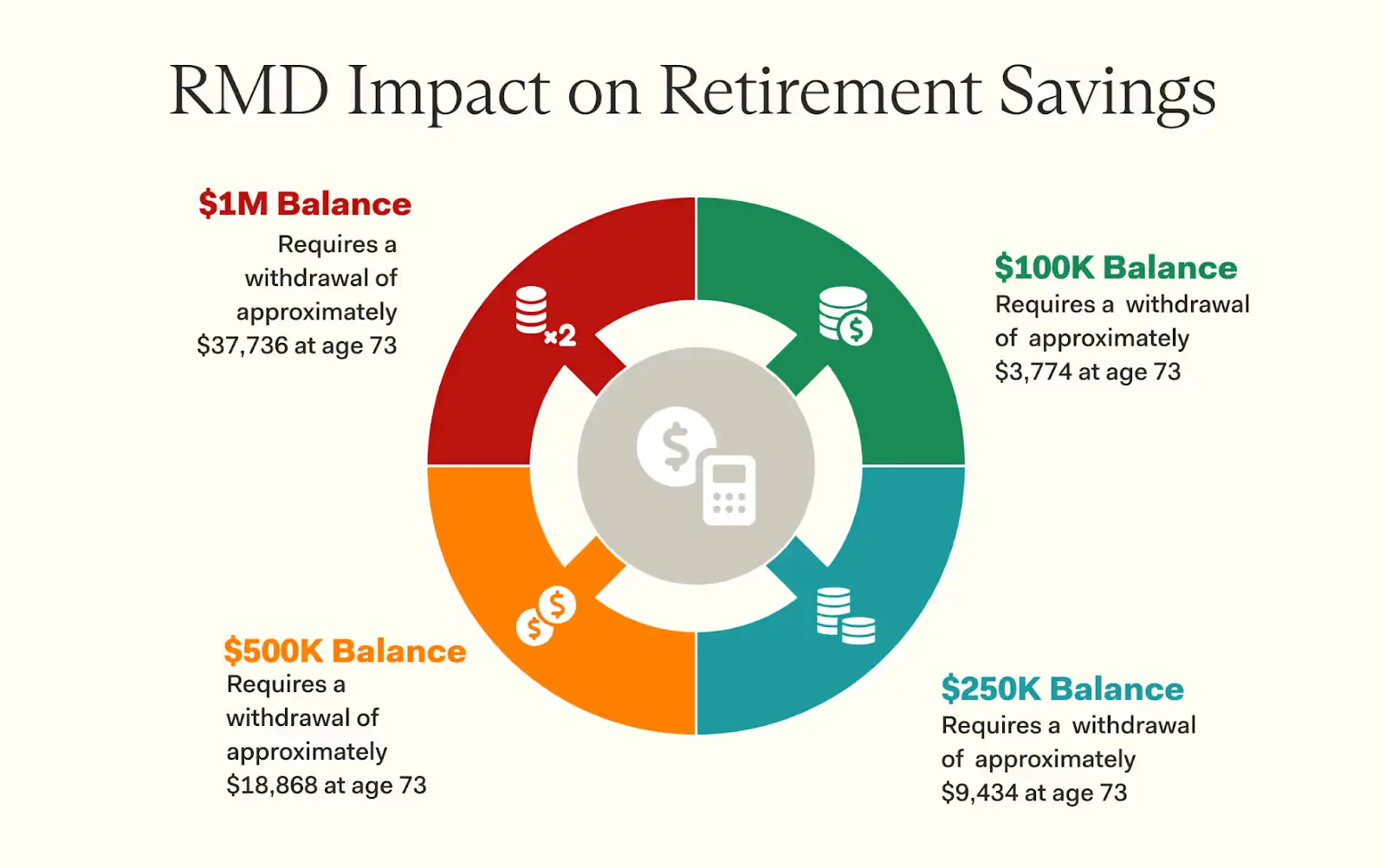
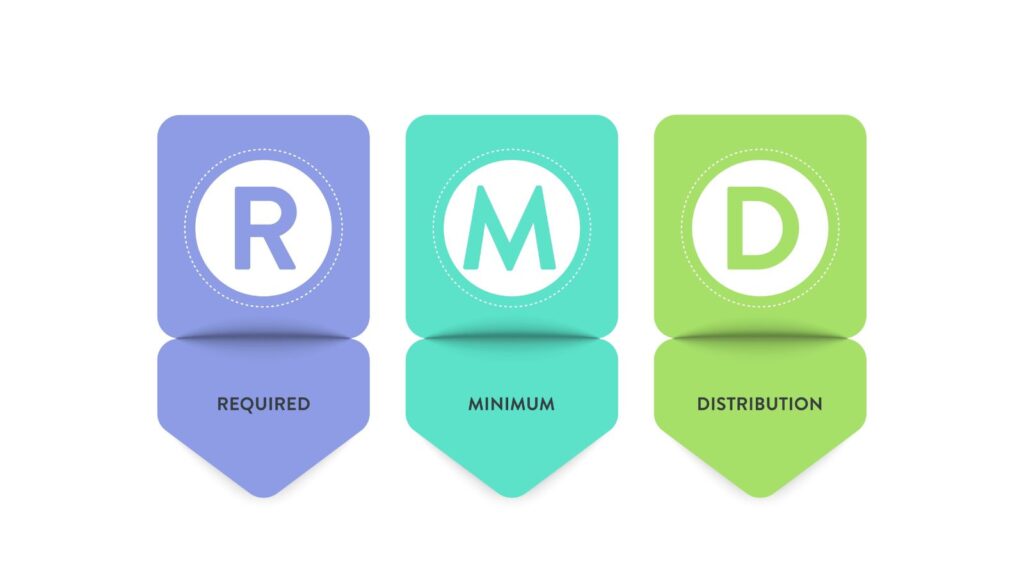
The 2026 landscape for crypto in 401(k)s is shifting. With the Department of Labor moving forward on proposals to include cryptocurrency and private credit, and Democrats raising strong opposition, the rules for Required Minimum Distributions (RMDs) are becoming a key decision point for plan sponsors and participants.
To navigate this, you need a clear framework. The following steps outline how to evaluate your specific situation, weighing the potential for higher returns against the regulatory uncertainty and tax implications of holding digital assets in a tax-advantaged account.
Start by checking if your current 401(k) or Solo 401(k) plan actually permits cryptocurrency investments. For 2026, Solo 401(k) participants can contribute up to $72,000 annually, or $80,000 if age 50 or older. If your plan does not allow it, you cannot include crypto in your RMD calculations for that account.
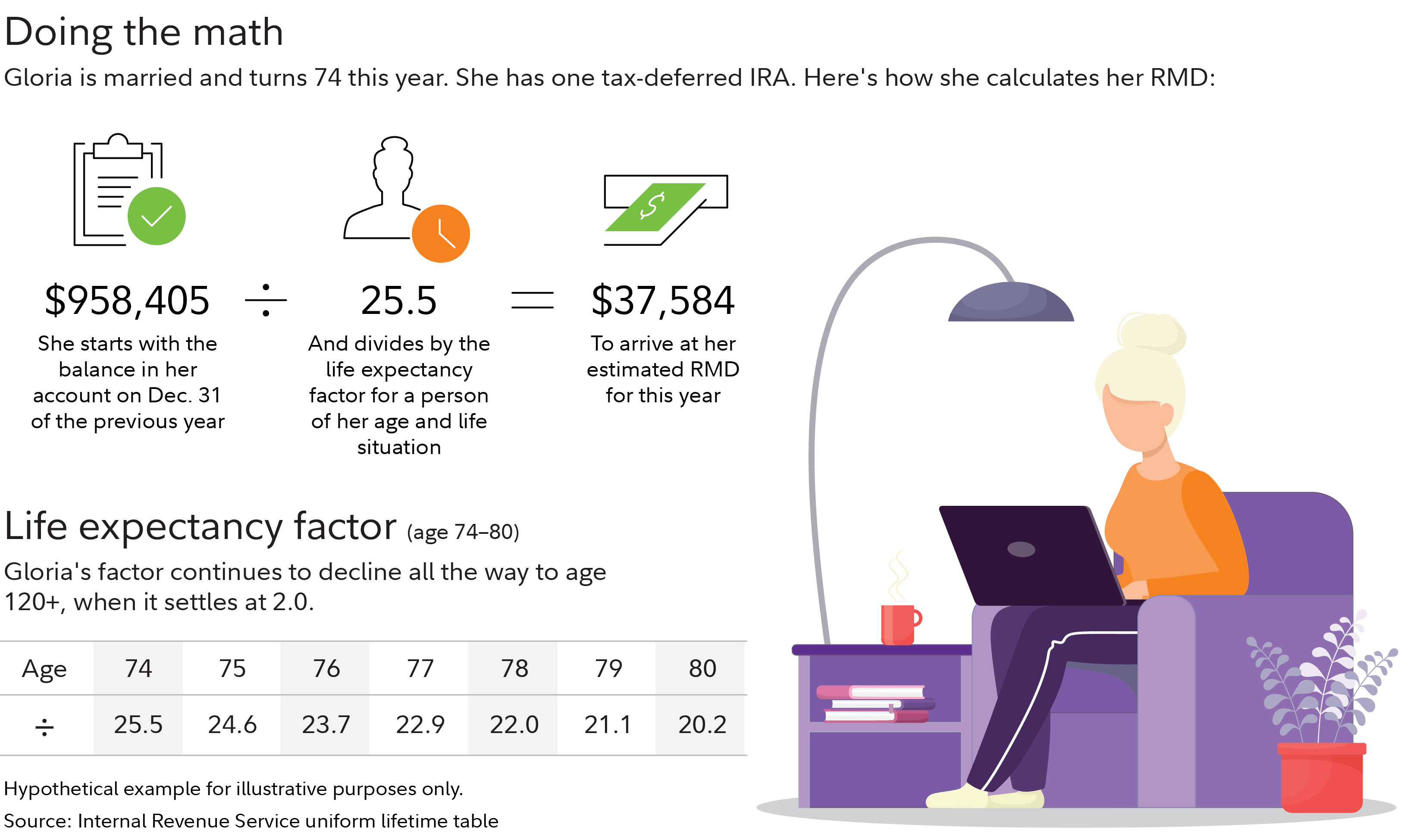
Use the IRS life expectancy tables to determine your specific RMD percentage. If you hold crypto in a permitted account, the current market value of those assets is included in your total account balance. A volatile crypto market can significantly swing your RMD amount, potentially forcing a larger taxable distribution than anticipated.
Understand that crypto in a 401(k) is taxed as ordinary income upon distribution, not as capital gains. If crypto prices surge, your RMD withdrawal will be larger, pushing you into a higher tax bracket. Conversely, if the market drops, you still owe the RMD based on the year-end valuation, potentially forcing a sale of assets at a loss.
Keep a close eye on the Department of Labor's final proposal regarding crypto and private credit in 401(k)s. Democratic opposition and potential legislative changes could delay or alter the rules. This regulatory uncertainty may impact the liquidity and availability of crypto options in your plan in 2026.
Spot the Weak Options
The push to add cryptocurrency to 401(k) plans has created a noisy landscape of misleading claims. While the Department of Labor explores these options, many advisors and platforms are overselling the benefits while downplaying the risks. This section highlights the common mistakes and weak options you should avoid when navigating crypto in your retirement account.
The Regulatory Gray Zone
One of the biggest risks is the lack of clear regulatory guidance. Democrats have strongly opposed the Department of Labor's proposal to include cryptocurrency and private credit in 401(k) plans, citing concerns over investor protection and market volatility. This political tug-of-war means the rules could change rapidly, leaving your retirement assets in a precarious position. Without stable regulations, the value of your crypto holdings could be subject to sudden, unpredictable shifts.
High Fees and Hidden Costs
Many platforms offering crypto in 401(k) plans charge significantly higher fees than traditional investment options. These fees can eat into your returns over time, especially if you're holding volatile assets like Bitcoin or Ethereum. Be sure to read the fine print and compare the total cost of ownership. Some platforms may also impose additional transaction fees or management fees that aren't immediately obvious. These hidden costs can significantly impact your long-term retirement savings.
Volatility and Risk
Cryptocurrency is known for its extreme volatility. While this can lead to high returns, it can also result in significant losses. When considering crypto in your 401(k), it's essential to assess your risk tolerance and ensure that a portion of your portfolio is allocated to more stable assets. Diversification is key to managing risk, but crypto's unpredictable nature makes it a risky addition to a retirement account. Be cautious of platforms that promise high returns with low risk, as these claims are often misleading.
Limited Investment Options
Some 401(k) plans that offer crypto may only allow investments in a few major cryptocurrencies, such as Bitcoin and Ethereum. This limited selection can restrict your ability to diversify and take advantage of emerging opportunities in the crypto market. Additionally, some plans may not allow you to sell crypto holdings at will, locking your assets in during market downturns. Before committing, evaluate the available options and ensure they align with your investment goals and risk tolerance.
Crypto in 401k 2026: what to check next
Navigating the intersection of cryptocurrency and retirement accounts requires understanding both regulatory shifts and tax implications. The landscape is changing rapidly as new proposals from the Department of Labor attempt to integrate digital assets into traditional 401(k) structures. Below are answers to the most common practical questions regarding this shift.
What is going to happen to crypto in 2026?
The primary development in 2026 is a Department of Labor proposal that would encourage retirement plans to offer cryptocurrency options. While this signals a potential opening for crypto in 401(k)s, it does not mean every plan will offer it immediately. Plan sponsors must still approve these options, and implementation takes time. Consequently, while availability may increase, widespread adoption remains uncertain for many workers.
How many Americans have $1,000,000 in retirement savings?
According to recent Federal Reserve data, only about 10% of American households have $1 million or more in retirement savings. This statistic highlights the rarity of six-figure retirement portfolios. For most investors, the focus remains on consistent contributions and compound growth rather than reaching the million-dollar mark quickly. Adding volatile assets like crypto can impact this trajectory significantly, for better or worse.
Will crypto be taxed in 2026?
Yes, cryptocurrency held within a 401(k) is subject to the same tax rules as traditional retirement assets. If your plan is a traditional 401(k), you will pay ordinary income tax on withdrawals in retirement, regardless of whether the crypto appreciated or depreciated. If the plan is a Roth 401(k), qualified withdrawals are tax-free. There are no special "crypto tax breaks" or exemptions for digital assets held in employer-sponsored plans.
Will 2026 be a good year for a 401k?
The market impact of including crypto in 2026 depends on volatility and regulatory clarity. While some investors see crypto as a high-growth opportunity, its extreme price swings can disrupt the steady compounding needed for retirement. For conservative investors, the added risk may outweigh potential gains. For those with a high risk tolerance, a small allocation could offer diversification, but it requires careful monitoring and understanding of the underlying risks.
No comments yet. Be the first to share your thoughts!