

On August 7,2025, President Donald Trump signed a sweeping executive order that could reshape the future of American retirement savings. The directive aims to open the $12.5 trillion 401(k) market to alternative assets, including cryptocurrencies like Bitcoin, private equity, and real estate. For millions of Americans preparing for retirement, this is more than a headline - it’s a fundamental shift in how you can invest for your financial future.
What Does Trump’s Executive Order Actually Change?
The new order, titled “Democratizing Access for 401(k) Investors, ” instructs the Department of Labor (DOL) to revise regulations that have historically restricted retirement plans from offering exposure to alternative assets. Until now, most 401(k)s have been limited to stocks, bonds, and mutual funds. With this move, plan sponsors and asset managers could soon offer options like Bitcoin in 401(k) plans, giving everyday investors access to markets previously reserved for institutional players or high-net-worth individuals.
As quoted from the official White House release: "It is the policy of the United States that every American preparing for retirement should have access to funds that include investments in alternative assets. " (whitehouse.gov)
The $12.5 Trillion Question: Why Crypto in Retirement Accounts Now?
The timing couldn’t be more interesting. As of September 23,2025:
- Bitcoin (BTC) trades at $112,916, holding steady above the $100K milestone.
- Ethereum (ETH) sits at $4,183.54.
- The S and P 500 ETF (SPY) stands at $665.86.
This order comes as lawmakers push regulators like the SEC to embrace crypto in retirement plans (Reuters). Advocates argue that adding digital assets like Bitcoin - with its fixed supply and independence from government monetary policy - gives savers a powerful tool to diversify and potentially grow their nest eggs.
Diversification or Volatility? What This Means For Your Portfolio
This isn’t just about hype; it’s about real choices and real risks. Including crypto in your 401(k) could bring legitimate diversification benefits:
- Potential for higher returns: Historically, assets like Bitcoin have outperformed traditional markets over multi-year horizons.
- Diversification: Digital assets often move independently of stocks and bonds.
- Hedge against inflation: Many see Bitcoin as "digital gold, " especially during periods of currency debasement.
BUT - there are also significant risks:
- Crytocurrency volatility is legendary.
- Lack of liquidity compared to stocks or mutual funds.
- Regulatory uncertainty remains an ongoing concern.
If you’re considering allocating part of your retirement savings into crypto or other alternatives, it’s crucial to assess your risk tolerance and investment horizon carefully. This is not a one-size-fits-all opportunity - some investors will benefit greatly from these new options; others may find themselves unprepared for the wild swings digital assets can bring.
Bitcoin (BTC) Price Prediction 2026-2031: Impact of 401(k) Market Access
Comprehensive BTC Price Forecast Considering U.S. 401(k) Access, Market Cycles, and Regulatory Trends (2026-2031)
| Year | Minimum Price | Average Price | Maximum Price | Annual % Change (Avg) | Key Market Scenario |
|---|---|---|---|---|---|
| 2026 | $84,000 | $124,000 | $169,000 | +9.8% | 401(k) adoption begins, moderate inflows, macro uncertainty |
| 2027 | $95,000 | $142,000 | $198,000 | +14.5% | Increased institutional adoption, clearer regulations |
| 2028 | $110,000 | $167,000 | $238,000 | +17.6% | Bullish cycle, wider 401(k) integration, ETF growth |
| 2029 | $132,000 | $185,000 | $265,000 | +10.8% | Mid-cycle correction, regulatory reviews, volatility |
| 2030 | $115,000 | $206,000 | $298,000 | +11.4% | New ATH, global adoption, tech advancements |
| 2031 | $132,000 | $233,000 | $345,000 | +13.1% | 401(k) flows mature, BTC viewed as digital gold |
Price Prediction Summary
Opening the $12.5 trillion 401(k) market to Bitcoin investment is a transformative catalyst for BTC’s long-term price outlook. Over the coming years, wider retirement plan access, institutional inflows, and regulatory clarity are expected to drive steady price appreciation, despite periods of volatility and market corrections. The average BTC price is projected to grow from $124,000 in 2026 to $233,000 by 2031, with maximum scenarios reaching as high as $345,000. However, investors should expect significant volatility, especially during market corrections and regulatory reviews.
Key Factors Affecting Bitcoin Price
- 401(k) and retirement plan adoption rates for BTC and other crypto assets
- U.S. and global regulatory clarity and tax treatment of crypto in retirement accounts
- Institutional demand and allocation trends
- Bitcoin’s halving cycles and supply dynamics
- Technological advancements (e.g., Layer 2 scaling, security improvements)
- Macro-economic conditions and competition from other digital assets
- Potential for new ETF products and increased liquidity
- Geopolitical and policy shifts affecting capital flows
Disclaimer: Cryptocurrency price predictions are speculative and based on current market analysis. Actual prices may vary significantly due to market volatility, regulatory changes, and other factors. Always do your own research before making investment decisions.
Navigating New Rules: The Regulatory Landscape Ahead
The executive order also tasks regulators with reducing barriers and litigation risks that have kept employers wary of offering these options (whitehouse.gov). The DOL will need to clarify fiduciary responsibilities so plan sponsors can confidently add crypto without fear of lawsuits if markets turn south.
For plan participants, this means the landscape is evolving rapidly. Employers and asset managers will likely roll out new 401(k) options featuring cryptocurrency allocations, but expect a period of adjustment as platforms, custodians, and regulators iron out the details. You’ll want to keep an eye on how these funds are structured, look for transparency around fees, custody solutions, and security protocols.

How to Decide if Crypto Belongs in Your 401(k)
With Bitcoin at $112,916 and Ethereum holding at $4,183.54, the allure of high-growth assets is real. But before you jump in, consider a few practical steps:
Key Questions Before Adding Crypto to Your 401(k)
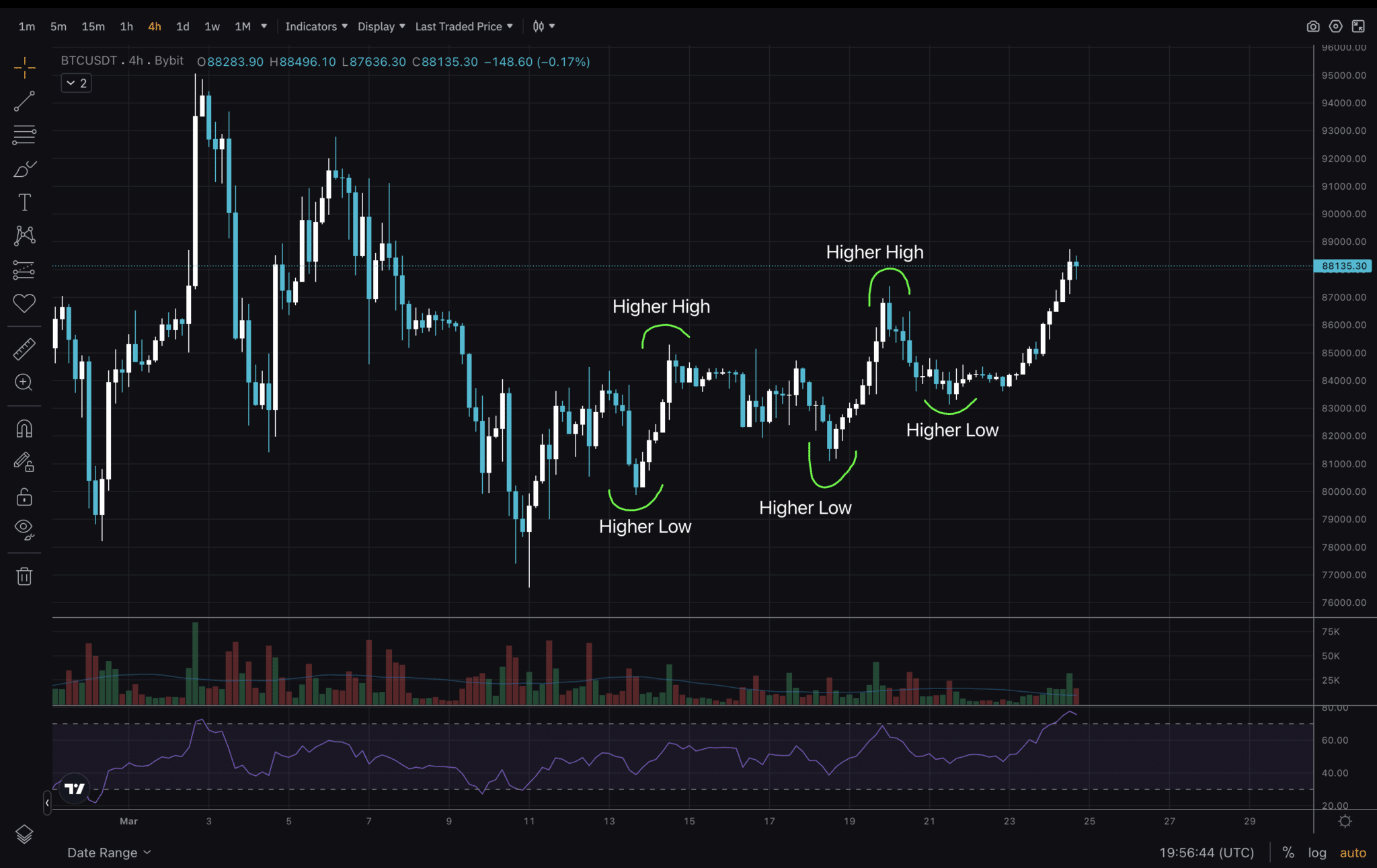
- What is your risk tolerance? Cryptocurrencies like Bitcoin (BTC) are highly volatile. For example, as of September 23, 2025, Bitcoin is trading at $112,916—but its price can swing dramatically. Assess whether you’re comfortable with sharp ups and downs in your retirement portfolio.
- How long is your investment time horizon? A longer time frame can help ride out volatility. If you’re decades from retirement, you may be able to weather crypto’s price swings better than someone nearing retirement.

- Do you understand crypto’s unique risks? Crypto assets face risks like regulatory changes, security breaches, and market manipulation. Make sure you understand how these factors could impact your savings.

- How will crypto fit into your overall diversification strategy? Adding Bitcoin or Ethereum can diversify your 401(k), but consider how much exposure you want. Experts often suggest limiting alternative assets to a small portion of your portfolio.

- Are you prepared for potential liquidity issues? Unlike stocks or mutual funds, some crypto assets may be harder to sell quickly. Ensure you won’t need to access these funds unexpectedly.

- Have you consulted a financial advisor? Speak with a certified financial planner or retirement specialist to see if adding crypto aligns with your goals and risk profile. Many advisors now offer guidance on digital assets.

Remember: what works for a tech-savvy 30-year-old may not suit someone five years from retirement. Crypto’s volatility can amplify both gains and losses, so it’s wise to treat digital assets as a small slice of your portfolio rather than the main course.
What Financial Advisors Are Saying
The financial planning community is divided. Some advisors see this as an overdue modernization that brings American retirement savings into the digital age. Others urge caution, pointing out that regulatory frameworks are still catching up with technology. Many recommend starting with modest allocations, typically between 1-5% of your total retirement portfolio, and rebalancing regularly as prices move.
It’s also worth noting that fiduciary standards remain paramount: plan sponsors must act in participants’ best interests when selecting or offering any new investment option. This means rigorous due diligence on underlying crypto products will be essential.
Opportunities and Pitfalls: The Road Ahead
If you’re excited about the potential upside of crypto in your 401(k), you’re not alone, but don’t overlook the pitfalls:
- Tax treatment: While gains inside a 401(k) are tax-deferred or tax-free (in Roth accounts), withdrawals are taxed as ordinary income, which could impact your overall strategy.
- Fraud risks: As with any emerging asset class, scams and bad actors abound; stick to well-vetted investment platforms offered by reputable providers.
- Changing regulations: Laws around digital assets shift quickly, what’s permissible today could change tomorrow.
The bottom line? Trump’s executive order cracks open the door for everyday Americans to access alternative assets, including cryptocurrency, in their workplace retirement plans. The move could reshape how we think about long-term investing by giving you more tools (and more responsibility) than ever before.
No matter where you stand on crypto, education is your best defense against making costly mistakes. Stay curious and informed, your future self will thank you.




No comments yet. Be the first to share your thoughts!