

In 2025, the landscape for retirement investors is changing rapidly. For the first time, Americans can add Bitcoin directly to their 401(k) thanks to new federal policies and growing acceptance from major financial institutions. If you’re considering diversifying your retirement savings with digital assets, understanding the current rules and practical steps is essential.
Bitcoin in Your 401(k): What’s Changed in 2025?
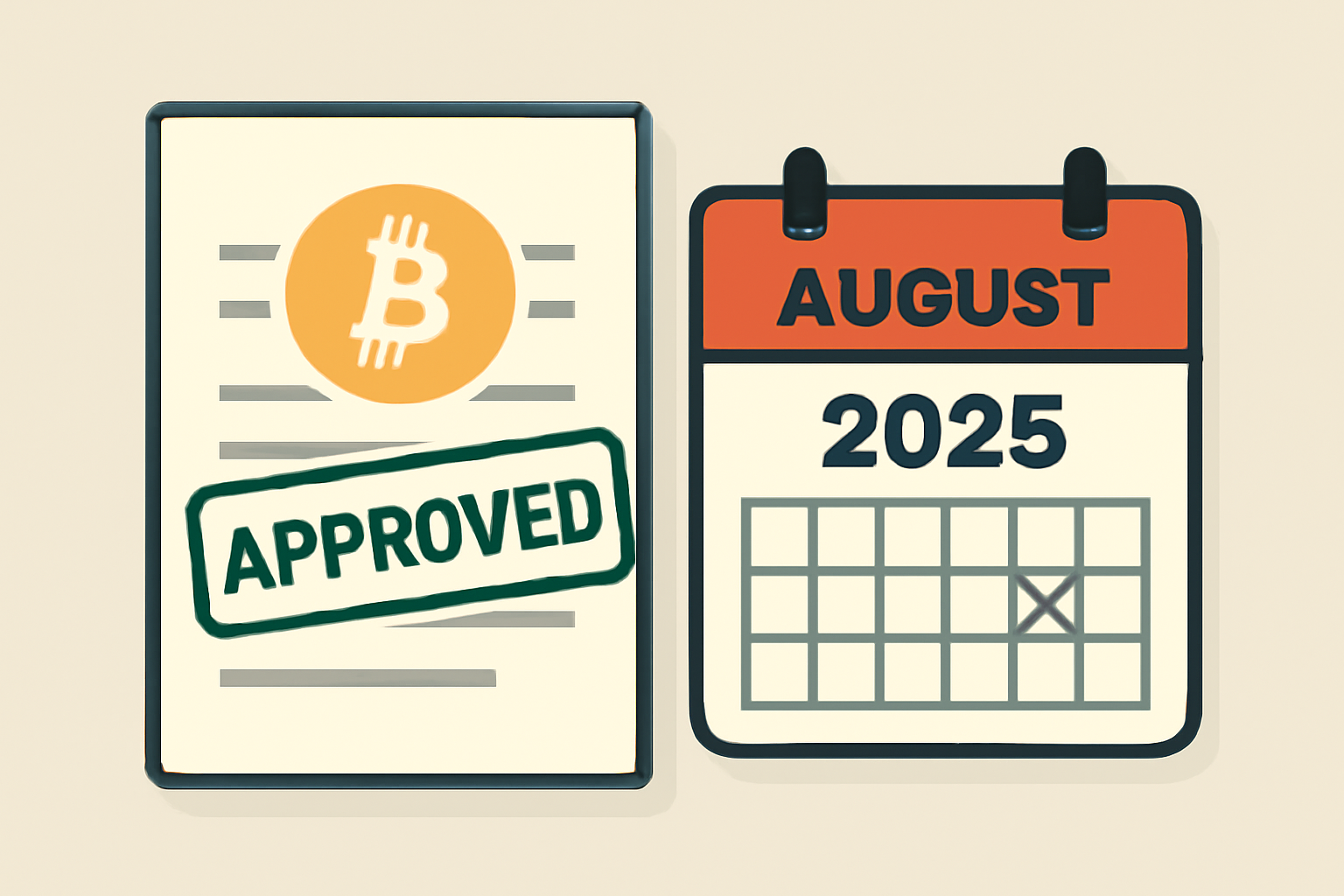
On August 7,2025, President Trump signed an executive order directing agencies to update regulations and allow cryptocurrency investments in 401(k) plans. The Department of Labor (DOL) responded by rescinding its prior warnings about crypto’s risk profile and now takes a neutral stance. Fiduciaries are responsible for evaluating whether digital assets like Bitcoin fit their plans, but there’s no longer a blanket prohibition or heightened scrutiny from regulators.
This shift opens the door for plan providers and employers to offer Bitcoin as an option within your retirement account. Fidelity, for example, now lets employees allocate part of their portfolio to Bitcoin directly through its platform. Other providers are rolling out similar options or exploring partnerships with crypto custodians.
Bitcoin Price Update: Staying Above $100,000
As of November 11,2025, Bitcoin (BTC) is trading at $104,601. While this represents a modest 1.47% decrease over the past day, it’s still a remarkable milestone that underscores both the growth potential and volatility of digital assets in retirement portfolios. Savvy investors are watching these price movements closely as they weigh allocation decisions within their tax-advantaged accounts.
Step-by-Step Guide: How to Add Bitcoin to Your 401(k)
If you want to add Bitcoin to your retirement portfolio in 2025, here’s how you can get started:
How to Add Bitcoin to Your 401(k): A Step-by-Step Visual Guide (2025)


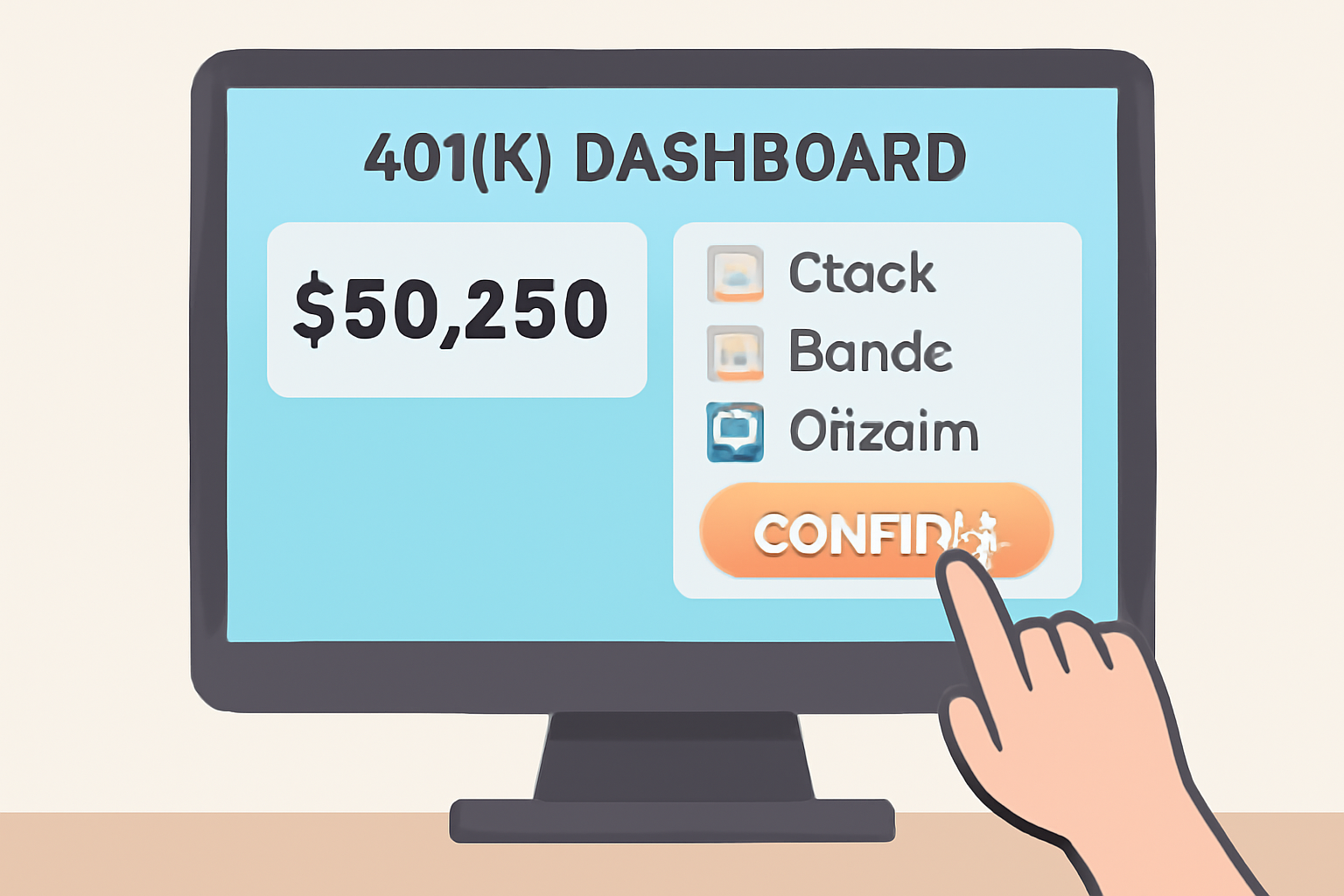


Step One: Check if your employer’s plan offers direct crypto exposure. Not all employers have adopted these options yet; consult your HR department or plan administrator for details.
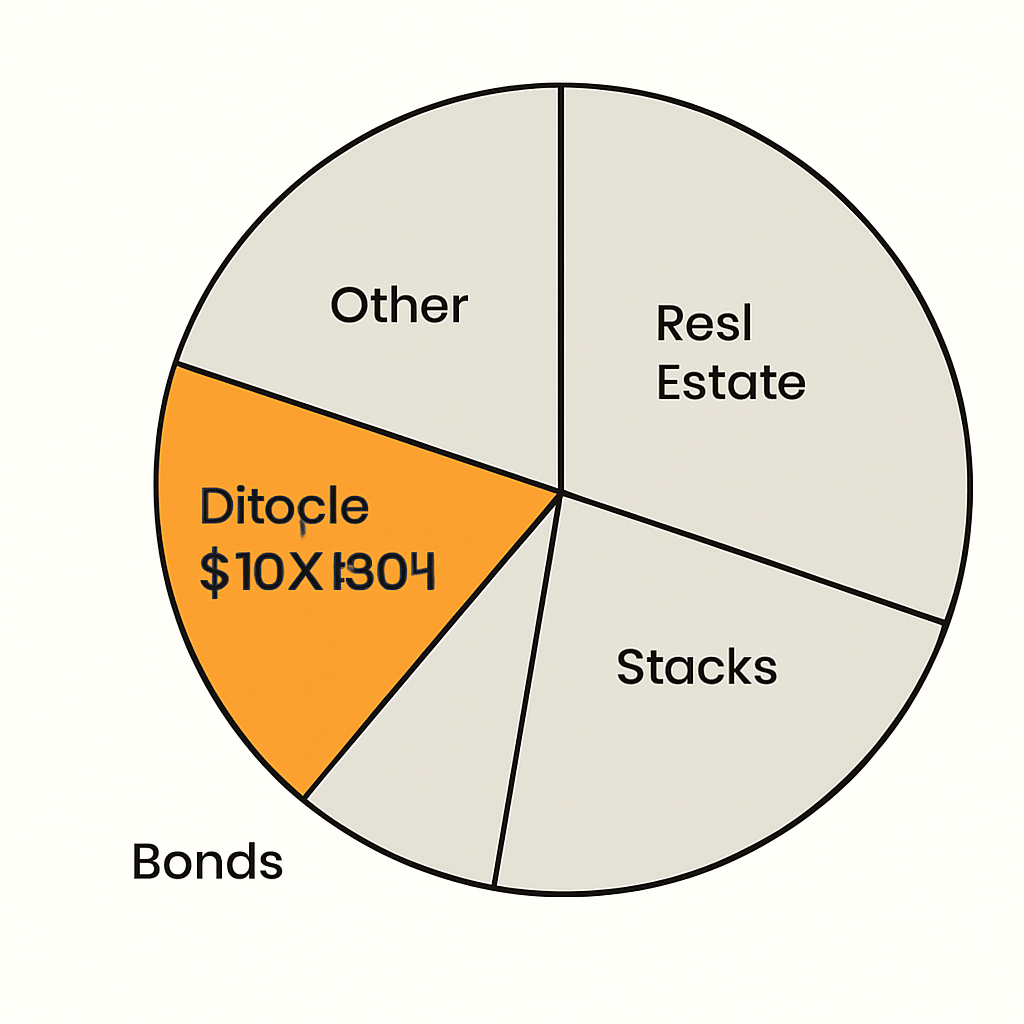
Step Two: Select your allocation amount. Most plans set limits on how much of your portfolio can be dedicated to crypto, often capping allocations at around 20% due to volatility concerns. Consider your risk tolerance before making any moves.
Step Three: Navigate compliance requirements. Even with regulatory easing, fiduciaries must act prudently under ERISA guidelines. That means you’ll likely encounter robust disclosures about risks and fees. Review these carefully before confirming any investment elections.
If your current provider doesn’t offer direct crypto investments yet but you’re eager to get started now, consider rolling over funds into a self-directed IRA that supports digital assets. For more information on alternative approaches and detailed walkthroughs from previous years (which remain relevant), see our comprehensive step-by-step guide.
Navigating Risks and Rewards
The inclusion of Bitcoin in mainstream retirement accounts is still new territory for most investors, and even many plan sponsors. While some experts tout its non-correlation with stocks as a diversification benefit, others warn about high volatility and uncertain long-term returns. It’s important to approach crypto allocations with clear eyes: only invest what you’re prepared to weather through inevitable price swings like the recent dip from over $107,000 down toward today’s $104,601 mark.
Fees are another critical consideration. Crypto investment options in 401(k) plans often come with higher administrative and custody fees than traditional mutual funds or ETFs. These extra costs can erode returns over time, especially during periods of sideways or negative price action. Always compare the total expense ratios and fee disclosures before making your allocation. If you’re unsure, ask your plan administrator for a transparent breakdown of all costs associated with Bitcoin investments in your 401(k).

Best Practices for Crypto Retirement Investing
As you weigh whether to add Bitcoin to your 401(k) in 2025, consider these practical strategies:
- Start Small: Even if your plan allows up to 20%, many advisors recommend beginning with a modest allocation, often between 1-5% of your total portfolio, to limit risk while gaining exposure.
- Rebalance Regularly: Given Bitcoin’s volatility, periodic rebalancing is essential. This helps ensure your crypto exposure doesn’t unintentionally balloon or shrink as prices move.
- Stay Informed on Regulatory Changes: The legal landscape for crypto in retirement accounts is still evolving. Keep up with updates from the Department of Labor and IRS regarding reporting, compliance, and tax treatment.
- Diversify Beyond Crypto: Bitcoin can complement but shouldn’t replace traditional assets like stocks and bonds. Maintain a diversified portfolio aligned with your long-term goals and risk profile.
If you’re interested in modeling how much Bitcoin you might need to meet specific retirement goals, check out our data-driven analysis: How Much Bitcoin Do You Need in Your 401(k) to Retire?
What’s Next? Looking Ahead for Crypto 401(k)s
The regulatory shift in August 2025 was only the beginning. As more employers evaluate crypto options and providers expand their offerings, expect continued innovation, alongside ongoing debate about best practices and fiduciary responsibility. While today only select plans offer direct access to Bitcoin at $104,601, this number will likely grow as demand increases and industry standards mature.
The most important thing you can do is stay proactive: monitor changes from both your employer and government agencies, seek advice from qualified professionals familiar with both ERISA compliance and digital assets, and revisit your strategy as the market evolves.
Adding Bitcoin to your 401(k) isn’t just about chasing headlines, it’s about thoughtfully integrating new asset classes into a long-term plan. By staying informed on market movements (like BTC’s current price at $104,601), regulatory shifts, fees, and best practices, you’ll be well-positioned to make prudent decisions that could shape your financial future for decades to come.


No comments yet. Be the first to share your thoughts!