
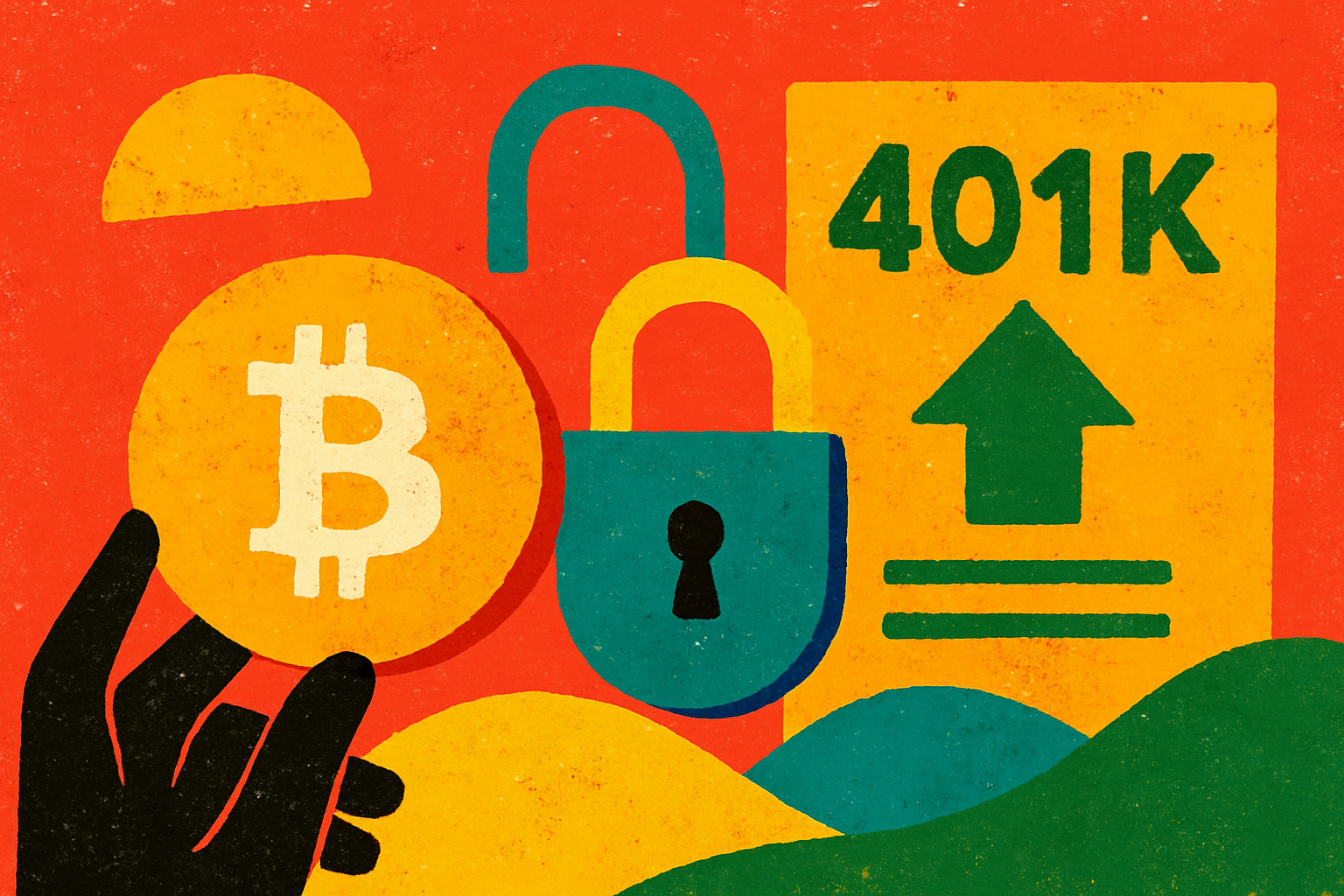
With Bitcoin trading at $95,396.00 as of August 7,2025, retirement investors are witnessing a historic shift: digital assets are now officially part of the 401K landscape. Following President Trump’s executive order and the Department of Labor’s updated, more neutral stance on crypto in retirement accounts, plan sponsors and individuals alike are re-evaluating what diversification means for long-term wealth building. If you’re considering how to add Bitcoin to your 401K, understanding the precise steps, and their implications, is critical amid evolving regulations and market dynamics.
1. Confirm Employer 401K Plan Allows Bitcoin Investments
Your first step is to verify whether your employer’s 401K plan permits Bitcoin allocations. While regulatory barriers have eased in 2025, not all employers have adopted crypto options yet. Many large providers, including Fidelity, offer digital asset accounts, but final approval rests with your company’s benefits committee or plan sponsor. Reach out to your HR department or plan administrator and ask specifically about Bitcoin inclusion. If it’s not currently available, you may need to advocate for its adoption or monitor for future updates as adoption rates accelerate.
2. Evaluate and Select a 401K Provider Offering Crypto Options (e. g. , Fidelity)
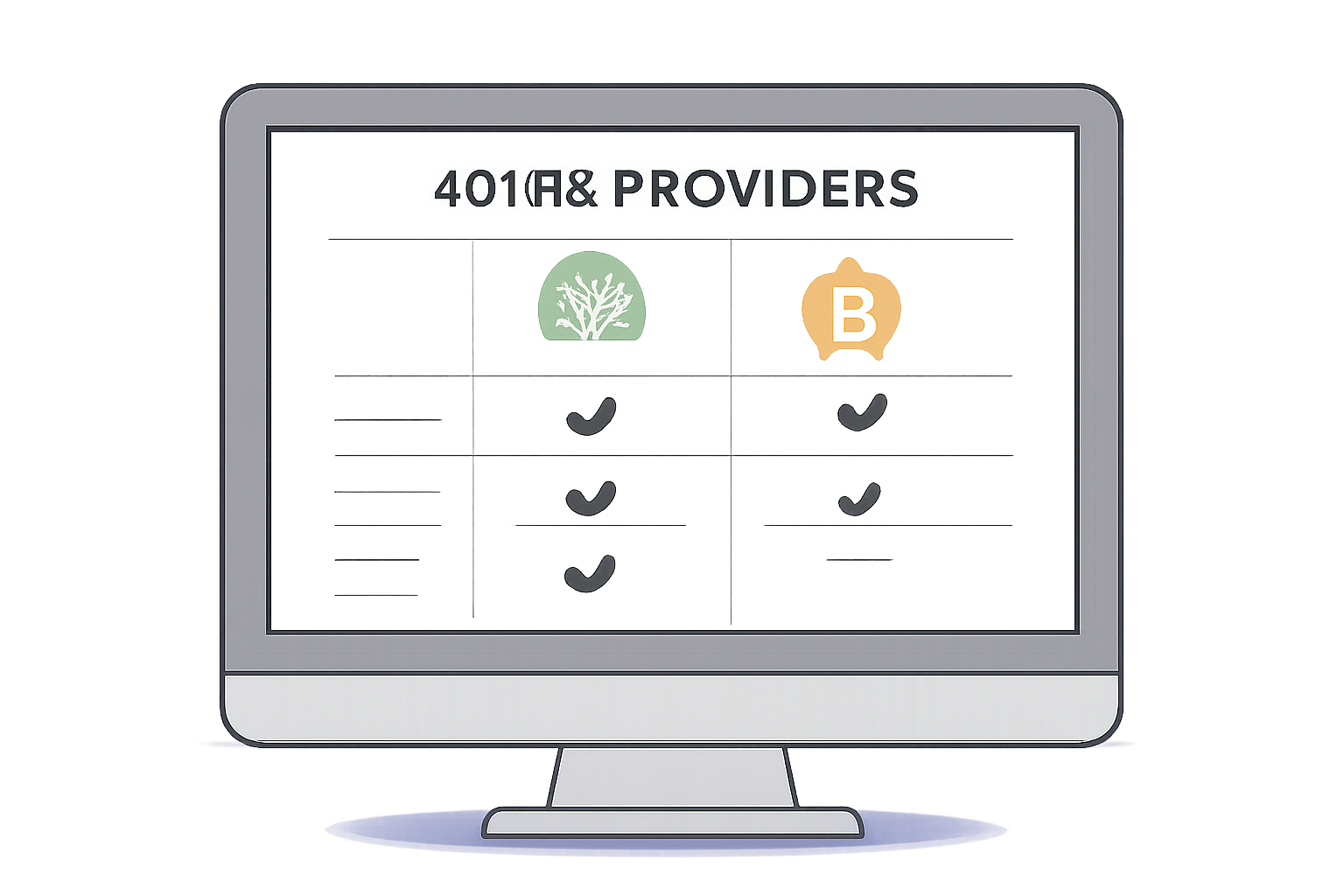
If your employer’s plan supports crypto, the next step is choosing a provider with robust digital asset infrastructure. Fidelity remains a leading option in 2025, its Digital Assets Account (DAA) enables direct exposure to Bitcoin within qualified plans, subject to employer approval and specific account minimums. Compare providers on:
- Security protocols: Cold storage, insurance coverage, and audit transparency
- User interface: Ease of allocating funds to Bitcoin alongside traditional assets
- Support for other cryptocurrencies: Some platforms may offer Ethereum or diversified crypto baskets as well
- Fee structure: For example, Fidelity charges between 0.75% and 0.9% annually on Bitcoin holdings, these costs can impact long-term returns.
This due diligence ensures you’re not only accessing crypto but doing so through a provider that aligns with your risk tolerance and service expectations.
How to Add Bitcoin to Your 401K in 2025: A Visual Step-by-Step Guide



3. Understand Fees, Custody, and Regulatory Requirements for Bitcoin in Your 401K
The regulatory landscape has shifted rapidly, but fiduciary responsibility remains paramount. Even with federal support for democratizing access to alternative assets like Bitcoin, fees and custody arrangements can materially affect outcomes:
- Annual fees: Expect management fees ranging from 0.75%–0.9%, depending on provider selection.
- Custody solutions: Most providers use institutional-grade cold storage; confirm details about insurance coverage against theft or loss.
- KYC/AML compliance: Standard onboarding processes apply; ensure you’re comfortable providing necessary documentation.
- DOL guidance: While more neutral today than in previous years, the DOL still expects prudent decision-making by both sponsors and participants when adding volatile assets like Bitcoin.
This step is crucial: understanding the operational mechanics behind holding cryptocurrency inside tax-advantaged accounts will help you avoid surprises, and make informed allocation decisions that fit your retirement timeline.
4. Determine Appropriate Bitcoin Allocation Based on Risk Tolerance
Once you’ve addressed compliance and custody, the next critical step is to define how much of your 401K should be allocated to Bitcoin. Bitcoin’s volatility remains significant, even as it becomes more mainstream in retirement portfolios. For most investors, financial advisors recommend limiting crypto exposure to a small percentage, typically 1%–5% of your total 401K balance. This allocation seeks to capture potential upside while mitigating the impact of sharp price swings or regulatory surprises.
Assess your own risk tolerance honestly: Are you comfortable with the possibility of double-digit drawdowns in a single quarter? How does Bitcoin’s non-correlation with stocks and bonds fit into your broader diversification strategy? Use scenario analysis and historical data to stress-test your portfolio, remembering that while Bitcoin is currently priced at $95,396.00, it has experienced both rapid ascents and steep corrections.

5. Initiate Bitcoin Purchase Through Your 401K Platform and Monitor Performance
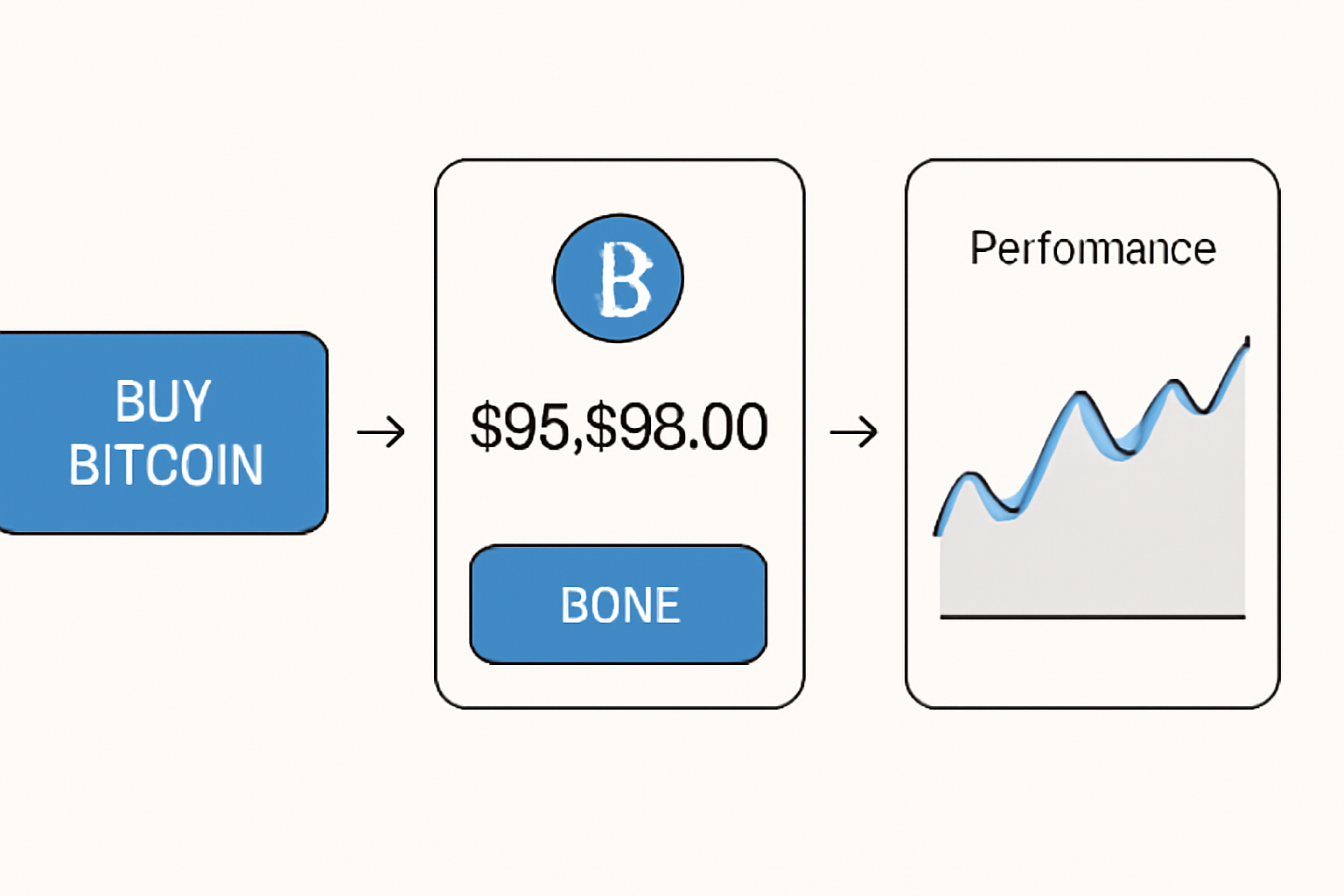
With your strategy set, you’re ready to execute: log into your 401K platform (such as Fidelity’s NetBenefits) and follow the prompts to allocate funds into the Digital Assets Account or equivalent crypto option. Be prepared for an initial onboarding process, this may involve additional disclosures or risk acknowledgments specific to digital assets.
After purchase, ongoing monitoring is essential. Most platforms now offer real-time tracking tools for digital assets alongside traditional holdings. Regularly review:
- Performance relative to benchmarks: Compare Bitcoin’s returns against major indices and other alternative assets.
- Rebalancing opportunities: If your allocation drifts outside your target range due to price movements (e. g. , if Bitcoin surges well above $95,396.00), consider periodic rebalancing back to your original strategy.
- Regulatory updates: Stay informed about evolving Department of Labor guidance or IRS rules that may affect crypto in retirement accounts.
This disciplined approach ensures that adding Bitcoin enhances, not destabilizes, your long-term retirement plan.
Key Takeaways for Crypto 401K Investors in 2025
- The regulatory environment has shifted rapidly in favor of broader access, but employer adoption still varies widely.
- Fees, custody arrangements, and prudent allocation are essential considerations for anyone looking to add Bitcoin at its current price point of $95,396.00.
- A methodical approach, confirming plan eligibility, selecting a provider like Fidelity, understanding costs, defining allocation based on risk tolerance, then executing, is the best way forward for retirement investors seeking diversified growth potential through cryptocurrency.
If you’d like an even deeper dive into optimizing digital asset exposure inside tax-advantaged accounts, or want practical examples from real investors, explore our expanded guide here: How to Add Bitcoin to Your 401K in 2025: A Step-by-Step Guide for Retirement Investors.



No comments yet. Be the first to share your thoughts!