
Adding Bitcoin to your 401(k) is no longer a futuristic concept. As of November 2025, the regulatory and market landscape has shifted, making it both practical and increasingly popular for retirement savers looking to diversify with digital assets. With Bitcoin currently trading at $94,991, the conversation has moved from “if” to “how. ”
Why Bitcoin in Your 401(k) Is Now a Reality
The past year has seen major policy changes. President Trump’s August 2025 executive order instructed federal agencies to revise retirement plan regulations, explicitly opening the door for cryptocurrencies like Bitcoin in 401(k)s. The Department of Labor quickly followed suit, rescinding its prior cautionary guidance and allowing plan sponsors to include digital assets as long as they meet ERISA fiduciary standards.
This regulatory green light prompted industry giants like Fidelity to roll out Digital Assets Accounts within their 401(k) offerings. Now, if your employer opts in, you can allocate up to 20% of your retirement portfolio directly into Bitcoin, though exact limits may vary by plan.
Step-by-Step: How to Add Bitcoin to Your 401(k)
If you’re ready to add crypto exposure to your retirement mix, here’s how the process typically works:
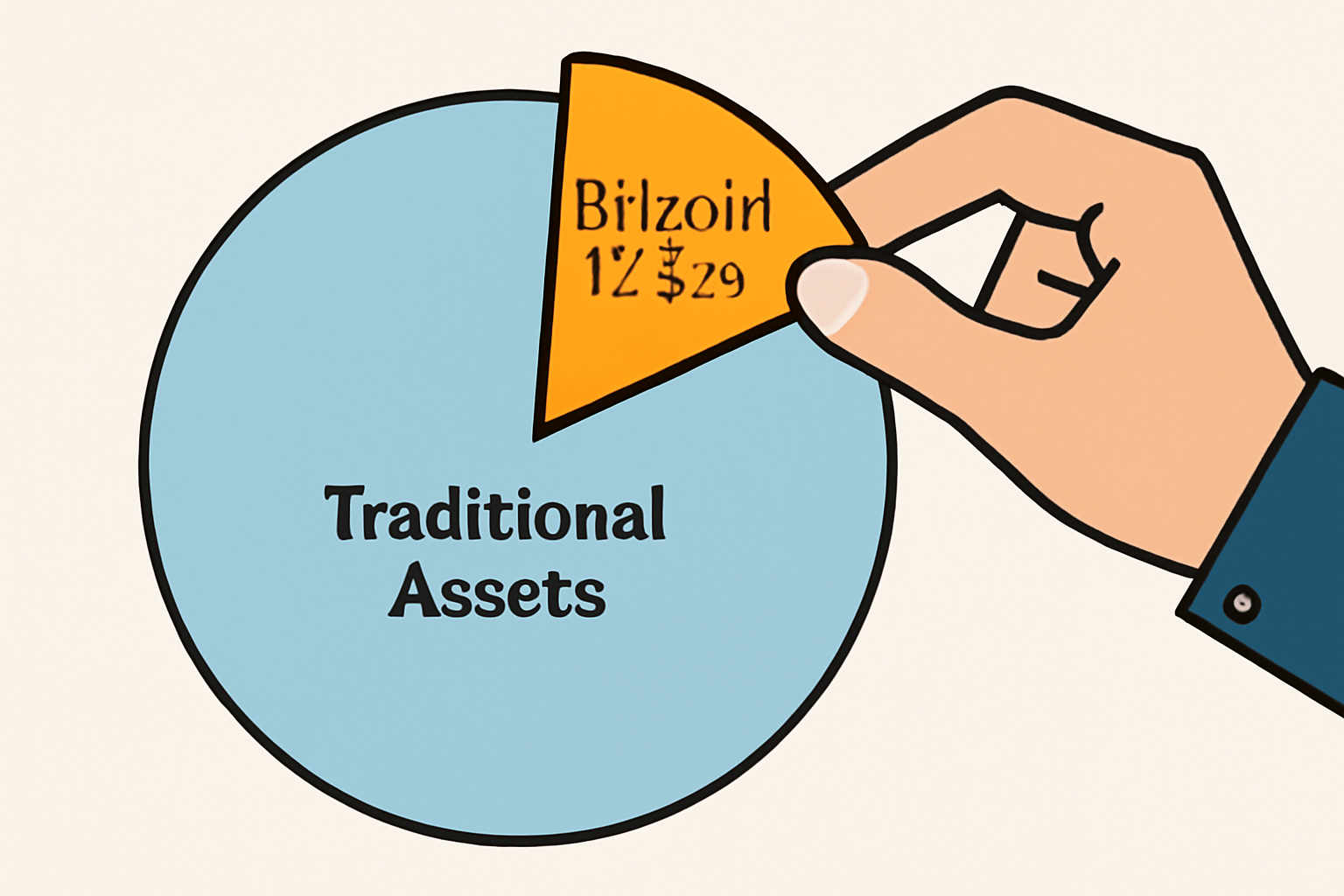
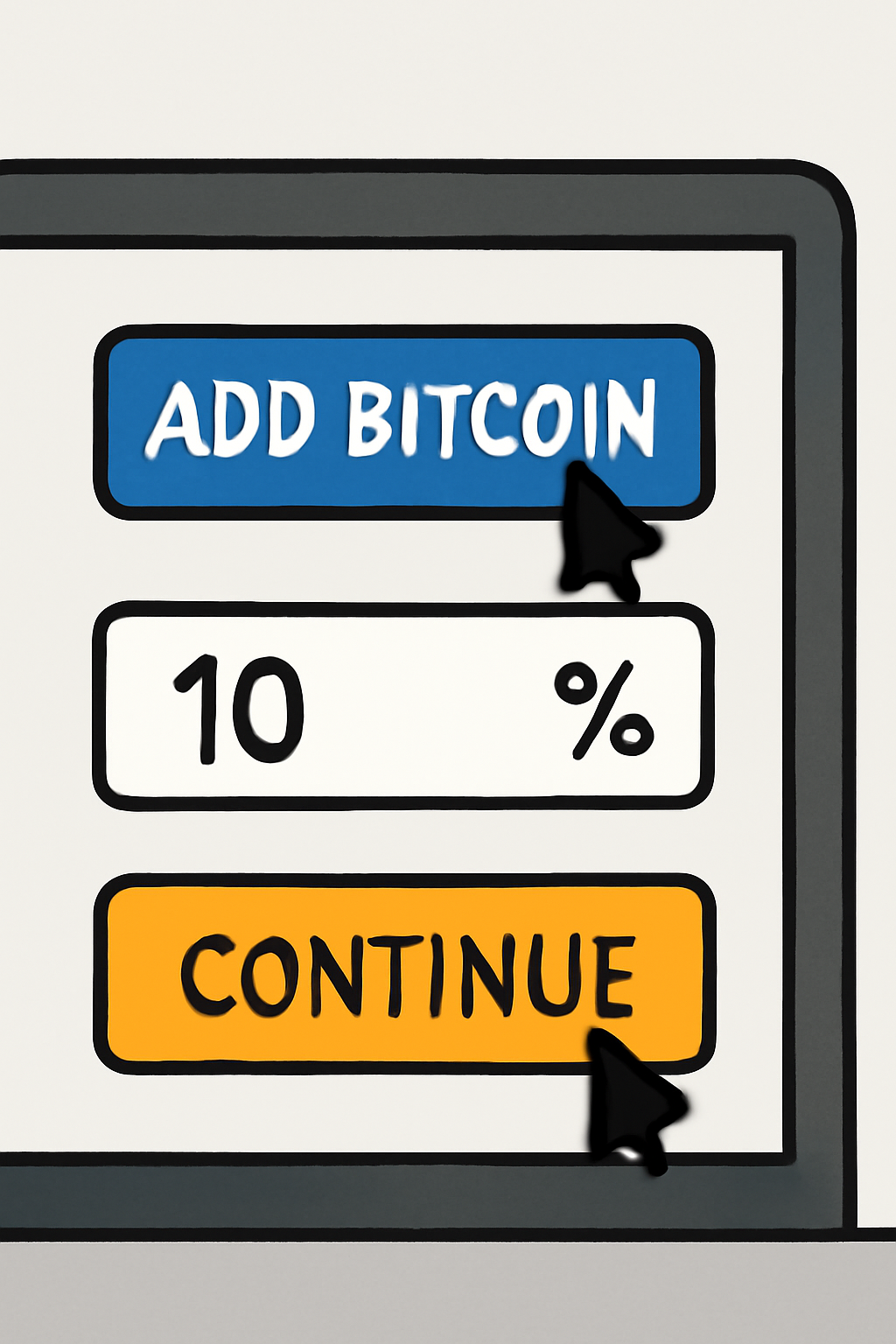
How to Add Bitcoin to Your 401(k) with Fidelity: A Visual Step-by-Step Guide (2025)

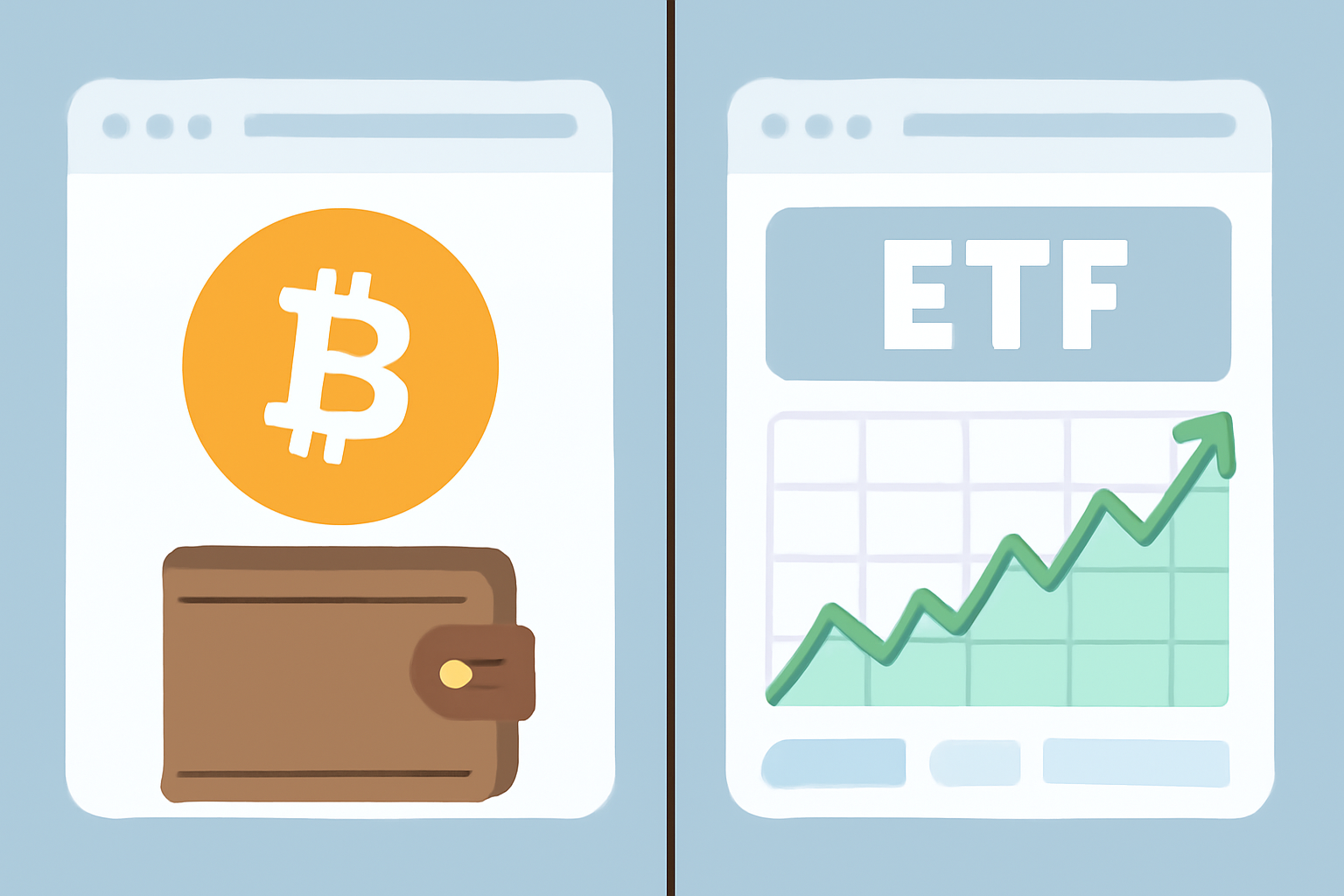

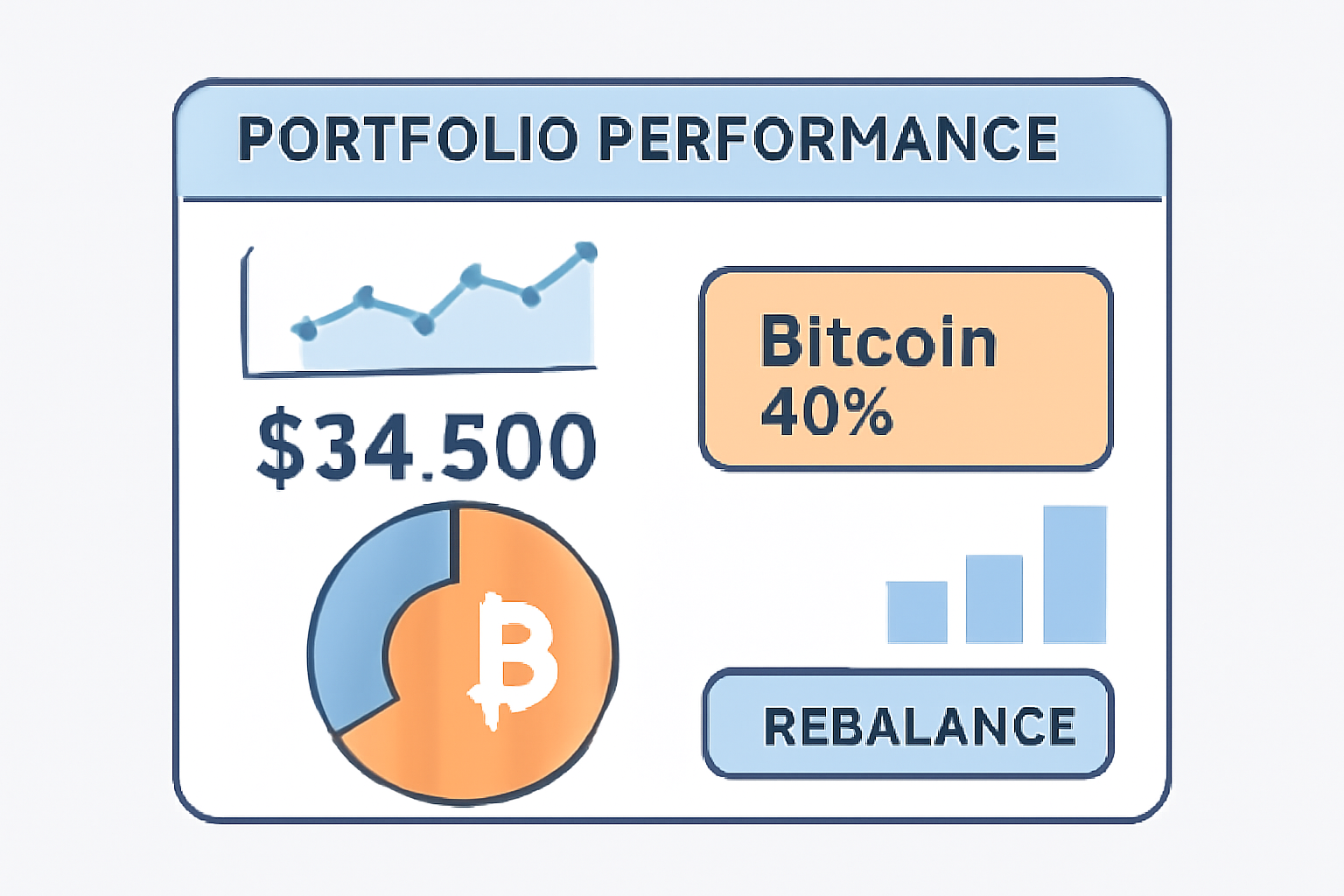
- Check Your Plan’s Menu: Log into your 401(k) portal or contact HR. Look for options like “Digital Assets Account” or inquire about cryptocurrency funds/ETFs.
- Understand the Investment Vehicle: Some plans offer direct purchases of Bitcoin; others use ETFs or crypto trusts that track BTC’s price.
- Evaluate Fees: For example, Fidelity charges between 0.75% and 0.9% annually on its digital asset accounts. Compare this with traditional fund fees.
- Assess Risk Tolerance: Crypto is volatile, Bitcoin dropped -3.81% in just the last day alone (from $100,403 high down to $94,991). Decide what percentage fits your risk profile (advisors often suggest between 2%-8%).
- Select Your Allocation: Most plans cap crypto at around 20%. Start small and adjust over time as you monitor performance.
Navigating Volatility: What Experts Say in Late 2025
The sharp moves in crypto prices are both opportunity and risk. As shown by today’s numbers, Bitcoin’s intraday swing from $100,403 down to $94,208, this asset class isn’t for the faint of heart. However, many financial advisors see value in adding a modest allocation as a non-correlated alternative within a diversified portfolio.
A September 2025 NerdWallet survey found that more than one-third of younger investors are now considering crypto within their retirement savings strategy. Lower-cost ETF options have also made it easier for plans of all sizes to offer exposure without excessive complexity or overhead.
Bitcoin (BTC) Price Prediction 2026-2031
Forecasts based on current regulatory trends, adoption in retirement accounts, and market analysis as of November 2025.
| Year | Minimum Price | Average Price | Maximum Price | Year-over-Year % Change (Avg) | Key Market Scenario |
|---|---|---|---|---|---|
| 2026 | $80,000 | $110,000 | $160,000 | +15% | Post-401(k) adoption, moderate volatility, ETF inflows |
| 2027 | $92,000 | $130,000 | $200,000 | +18% | Wider institutional adoption, regulatory clarity, increased competition |
| 2028 | $105,000 | $155,000 | $250,000 | +19% | New all-time highs, global retirement product growth |
| 2029 | $120,000 | $180,000 | $290,000 | +16% | Market maturation, Layer 2 scaling, mainstream use cases |
| 2030 | $135,000 | $205,000 | $340,000 | +14% | Potential halving impact, continued institutional allocation |
| 2031 | $150,000 | $230,000 | $390,000 | +12% | Sustained adoption, high volatility, new regulatory frameworks |
Price Prediction Summary
Bitcoin's integration into 401(k) retirement plans and increasing institutional adoption are set to drive steady growth over the next six years. While volatility will remain, especially as adoption broadens and regulatory environments evolve, the long-term outlook is positive, with average prices projected to more than double by 2031 compared to late 2025 levels. Bullish scenarios reflect continued ETF inflows, global adoption, and new technological advancements, while bearish scenarios account for potential regulatory headwinds and market corrections.
Key Factors Affecting Bitcoin Price
- Regulatory clarity and government policy changes regarding retirement accounts and crypto assets
- Adoption rates among 401(k) providers and participants
- Broader institutional and retail acceptance of Bitcoin as a portfolio asset
- Technological improvements (e.g., scaling solutions, security enhancements)
- Market cycles and Bitcoin halving events
- Potential competition from other digital assets or technological shifts
- Macroeconomic conditions and global risk appetite
Disclaimer: Cryptocurrency price predictions are speculative and based on current market analysis. Actual prices may vary significantly due to market volatility, regulatory changes, and other factors. Always do your own research before making investment decisions.
If you want more granular details about each step or want an expanded checklist before you proceed, check out our full walkthrough at How to Add Bitcoin to Your 401K: Step-by-Step Guide for 2025.
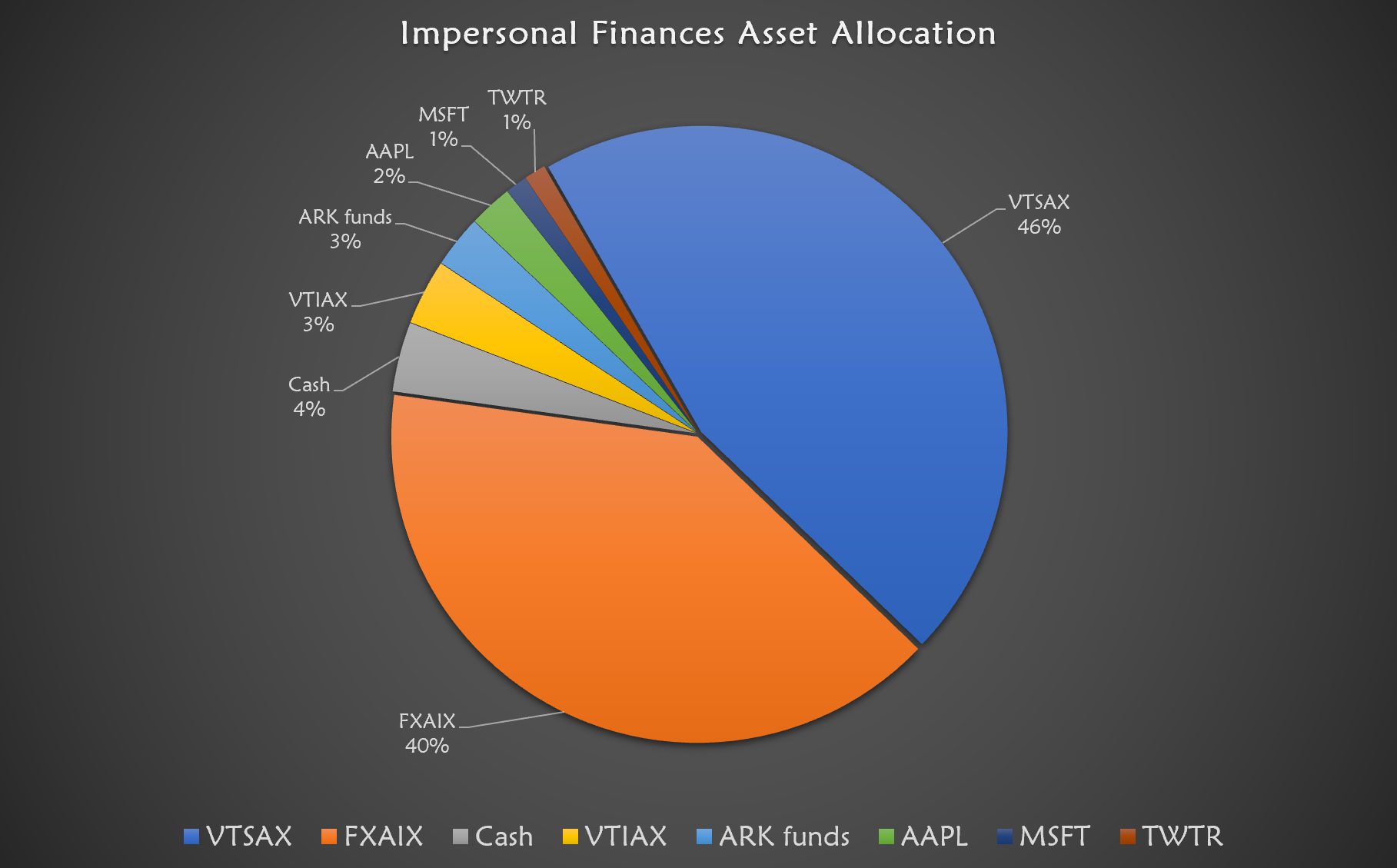
Keep in mind, adding Bitcoin to your 401(k) is not a set-and-forget move. The crypto market’s signature volatility means that portfolio rebalancing isn’t optional, it’s essential. With Bitcoin currently at $94,991, a sudden 5% swing can reshape your allocation overnight. Set calendar reminders to review your asset mix quarterly, or whenever major market events hit.
Tax Implications and IRS Rules for Crypto in 401(k)s
One advantage of holding Bitcoin inside a tax-advantaged account is deferred taxes on gains. When you buy or sell Bitcoin within your 401(k), you won’t trigger capital gains taxes immediately, taxation only occurs upon withdrawal, just like with traditional assets. This shelter lets you rebalance or take profits without worrying about annual tax bills.
However, the IRS treats crypto as property, so careful record-keeping is crucial if you transfer funds between accounts or roll over into a self-directed IRA. Always consult your plan administrator and consider working with a tax professional who understands both retirement law and digital assets.
Plan Limitations and Employer Considerations
Not every employer will offer crypto options, plan sponsors weigh legal risks, administrative complexity, and employee demand. If your current plan doesn’t support Bitcoin investments yet, express interest to HR or your benefits committee. Industry momentum suggests more providers will roll out digital asset offerings through 2026 as regulatory clarity improves.
If you’re self-employed or have left a job, rolling over your old 401(k) into an IRA that supports crypto can be an alternative path. These self-directed IRAs often allow broader coin choices and higher allocation limits but may come with higher fees and more hands-on management.
Best Practices: Diversifying Your Crypto Retirement Investment
- Limit Exposure: Even bullish analysts rarely recommend more than 8%-10% of retirement assets in high-volatility holdings like Bitcoin.
- Avoid Emotional Trading: Stick to your preset allocation regardless of price swings, discipline beats market timing every time.
- Stay Informed: Regulatory guidance continues to evolve. Subscribe to updates from trusted financial news sources and review plan documents annually for changes.
- Keep Security Tight: Ensure your plan provider uses institutional-grade custody solutions for digital assets, private key management should never be DIY within a retirement account.
The bottom line? Adding Bitcoin to your 401(k) is now within reach for millions of Americans, but it’s not one-size-fits-all. Use the tools at hand, know the risks, and make sure this bold asset fits into the bigger picture of your long-term retirement strategy.
If you’re ready for deeper tactical advice or want real-world case studies of investors who’ve already diversified their retirement portfolios with crypto, see our complete guide: How to Add Bitcoin to Your 401K: Step-by-Step Guide for 2025.




No comments yet. Be the first to share your thoughts!