
Bitcoin ETF 401k access expands in 2026
Bitcoin ETF 401k access has moved from a theoretical possibility to a tangible option for many retirement savers. Regulatory shifts, including recent executive orders clarifying crypto eligibility, have signaled to plan providers that digital assets belong in long-term portfolios. This change has accelerated the inclusion of spot Bitcoin exchange-traded funds in standard 401(k) menus, though adoption remains uneven across the industry.
Major recordkeepers and brokerages are now testing or rolling out Bitcoin ETF options, such as BlackRock’s iShares Bitcoin Trust (IBIT) or Fidelity’s Wise Origin Bitcoin Fund (FBTC). For the first time, participants can gain regulated, tax-advantaged exposure to Bitcoin without managing private keys or navigating complex self-directed IRA setups. This structural shift lowers the barrier to entry, allowing traditional retirement accounts to capture potential upside while maintaining the same fiduciary protections as stocks or bonds.
However, availability is not yet universal. Many plans still restrict crypto exposure due to volatility concerns or fiduciary liability fears. Savers should check their specific plan documents or contact their HR department to see if Bitcoin ETFs are listed as an investment option. When available, these funds typically appear alongside other alternative asset classes, offering a small but growing slice of the retirement pie.
Top providers offering Bitcoin ETF 401k options
Adding Bitcoin ETFs to a 401(k) is no longer a niche experiment; it is a feature offered by several major recordkeepers. While employer adoption varies, the platforms managing your retirement savings are the gatekeepers. Fidelity, Charles Schwab, and Vanguard have all integrated crypto exposure into their ecosystems, though they approach it differently. Understanding which provider supports the specific Bitcoin ETFs you want is the first step.
Fidelity has been aggressive in this space. Through its Fidelity Crypto platform, the provider allows participants in eligible 401(k) plans to buy and sell spot Bitcoin ETFs. This includes major offerings like BlackRock’s iShares Bitcoin Trust (IBIT) and Fidelity’s own Wise Origin Bitcoin Fund (FBTC). Fidelity charges a digital assets account fee, typically ranging from 0.75% to 0.90% annually, which is separate from the ETF’s expense ratio. This fee structure is transparent but can eat into small balances over time.
Charles Schwab follows a similar path, offering Bitcoin ETFs through its brokerage platform. Schwab’s integration is often seamless for existing clients, allowing you to trade ETFs like IBIT or Grayscale’s Bitcoin Mini Trust (BTC) directly within your retirement account interface. The platform does not charge a separate custody fee for the ETFs themselves, but standard trading commissions may apply depending on your specific plan’s fee schedule. Schwab’s strength lies in its broad menu of crypto-related securities, giving you more choice than just the two largest funds.
Vanguard, known for its low-cost index funds, has been slower to adopt spot Bitcoin ETFs. As of early 2026, Vanguard has not yet added spot Bitcoin ETFs to its standard 401(k) menu. This delay is consistent with Vanguard’s cautious approach to new asset classes. If your employer uses Vanguard as its recordkeeper, you likely cannot invest in Bitcoin ETFs through your 401(k) yet. You would need to look for alternative crypto exposure, such as a self-directed IRA, or wait for Vanguard to expand its offerings.
The choice of provider dictates your options. Fidelity and Schwab offer immediate access to the most liquid Bitcoin ETFs. Vanguard’s absence means you must look elsewhere for direct 401(k) exposure. Always check with your HR department or plan administrator to confirm which recordkeeper manages your plan and which specific ETFs are available for trading.
| Provider | Bitcoin ETF Status | Digital Asset Fees | Key Available ETFs |
|---|---|---|---|
| Fidelity | Active | 0.75%–0.90% annual | IBIT, FBTC |
| Charles Schwab | Active | Varies by plan | IBIT, BTC |
| Vanguard | Not Available | N/A | None |
Fees and tax implications for crypto 401k
Adding Bitcoin ETFs to a 401(k) changes the cost structure of your retirement account. While traditional index funds often carry expense ratios below 0.10%, spot Bitcoin ETFs typically charge between 0.15% and 0.25%. This difference is small on paper but compounds significantly over decades. You are paying a premium for exposure to an asset class that behaves differently from stocks and bonds.
The tax advantage remains the primary driver for holding Bitcoin ETFs in a 401(k). Unlike a self-directed IRA where you might deal with complex "personal property" rules and potential 4789 forms for foreign assets, a 401(k) plan handles the tax reporting internally. Gains from Bitcoin ETF sales within the plan are tax-deferred. You do not owe capital gains tax when the ETF price rises or when you rebalance your portfolio. Taxes are only due when you withdraw the money in retirement, at which point they are taxed as ordinary income.
This structure simplifies compliance. The plan administrator issues a single Form 1099-R for your entire distribution, rather than requiring you to track cost basis for every Bitcoin ETF trade. This is particularly useful if you plan to hold Bitcoin ETFs for many years, allowing the asset to compound without annual tax friction. However, remember that withdrawals are taxed at your ordinary income rate, which could be higher or lower than the long-term capital gains rate you would pay in a taxable brokerage account.
Tax treatment of Bitcoin ETF gains
The IRS treats Bitcoin as property, but within a qualified retirement plan like a 401(k), the tax rules follow the plan's structure, not the asset's classification. This means the "wash sale" rule does not apply to Bitcoin ETFs in a 401(k), and you can trade frequently without triggering immediate tax events. This flexibility allows for more active management strategies within your retirement savings, something that is restricted in taxable accounts.
When you eventually take distributions, the entire amount—both your contributions and your Bitcoin ETF gains—is taxed as ordinary income. If you contributed pre-tax dollars, you pay taxes on everything. If you contributed Roth dollars, qualified withdrawals are tax-free. This uniformity simplifies retirement planning, as you do not need to calculate the tax impact of different asset classes separately. The goal is to minimize the total tax burden over your entire retirement, not just the current year.
Rebalance your Bitcoin 401k allocation
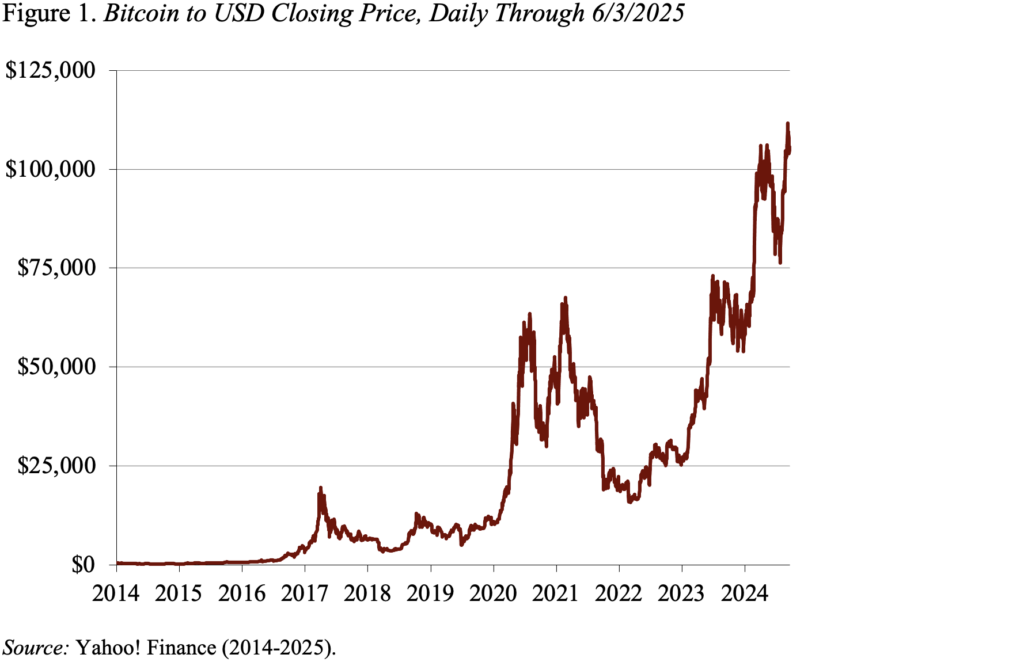
Adding Bitcoin to a retirement account introduces volatility that can quickly skew your target asset mix. Without a disciplined rebalancing strategy, a sudden rally can turn a 5% allocation into 10% or more, exposing your portfolio to unnecessary risk. Conversely, a sharp drop can leave your crypto exposure too small to meaningfully impact returns. The goal is not to time the market, but to maintain a consistent risk profile.
Think of rebalancing as trimming a hedge. When one branch grows too long, you cut it back to restore balance. In your 401k, this means selling high and buying low, a process that feels counterintuitive during market euphoria or panic but is essential for long-term stability. For Bitcoin specifically, wide price swings make regular reviews more critical than for traditional assets like bonds or large-cap stocks.

Before you rebalance, you must define your limit. Most financial advisors suggest keeping Bitcoin allocations between 1% and 5% of your total retirement portfolio. This small slice provides exposure to potential upside while limiting the damage from a 50% drop. Write this number down. If your plan allows, set it as a hard cap in your brokerage dashboard.
Decide when you will act. You can use a time-based approach, such as reviewing your portfolio quarterly, or a threshold-based approach, such as rebalancing when Bitcoin moves 5% above or below your target. Thresholds are often better for volatile assets like Bitcoin because they respond to actual market movements rather than the calendar. For example, if your target is 3% and Bitcoin rallies to 4%, you sell immediately to lock in gains.

Rebalancing inside a 401k is tax-efficient because you avoid capital gains taxes. If Bitcoin is over-weighted, sell the excess ETF shares and use the proceeds to buy under-weighted traditional assets like index funds or bonds. If Bitcoin is under-weighted, do the opposite. This internal swap keeps your tax-deferred status intact while restoring your original risk balance.

Check your 401k provider’s rules. Some plans charge transaction fees for frequent trading or limit the number of trades per year. Bitcoin ETFs themselves have expense ratios, typically between 0.15% and 0.25%. If your plan has high fees, consider rebalancing less frequently (e.g., semi-annually) to avoid eating into your returns with administrative costs.
| Rebalancing Method | Typical Frequency | Best For |
|---|---|---|
| Time-Based | Quarterly or Annually | Hands-off investors |
| Threshold-Based | When ±5% deviation occurs | Volatility management |
| Cash-Flow Rebalancing | With every contribution | Minimizing trading fees |
The most sustainable approach for many savers is cash-flow rebalancing. Instead of selling existing Bitcoin holdings, you direct your new monthly contributions toward the asset class that is under-weighted. If Bitcoin has dropped, you buy more Bitcoin ETF shares with your new money. If it has risen, you buy more traditional funds. This method requires no selling, avoids potential tax events if you ever move funds, and keeps trading costs near zero.
Rebalancing is not about predicting Bitcoin’s next move. It is about controlling your exposure. By sticking to a plan, you remove emotion from the equation. Whether Bitcoin hits $100,000 or $20,000, your retirement account remains aligned with your long-term goals. This discipline is what separates successful crypto investors from those who get swept up in the hype.
No comments yet. Be the first to share your thoughts!