

As Bitcoin continues to hold its ground above $100,000, more retirement investors are asking a critical question: How much Bitcoin do you actually need to retire comfortably by 2035? With the current price at $116,420 (as of October 1,2025) and some expert projections aiming as high as $1.02 million per BTC by the end of 2035, the stakes for crypto in your 401(k) have never been higher. This guide will break down the numbers, assumptions, and strategies with a focus on practical steps for 401(k) investors.
Bitcoin Above $100,000: What It Means for Your Retirement Strategy
The psychological and financial impact of Bitcoin maintaining a price above $100,000 cannot be overstated. This milestone has shifted Bitcoin from speculative asset to a serious contender in long-term retirement portfolios. For many forward-thinking investors, integrating bitcoin in a 401(k) is no longer an outlier strategy - it’s becoming mainstream.
The latest data points to an expected appreciation of about 8.76 times over the next decade if BTC reaches $1.02 million by 2035. That means every fraction of a Bitcoin you own today could potentially multiply your purchasing power dramatically over your retirement horizon.
Calculating How Much Bitcoin You Need to Retire by 2035
The first step is setting your retirement goal. Let’s say you’re targeting $1 million in assets by 2035. Using the projected BTC price:
- Your target: $1,000,000 by 2035
- Projected BTC price (2035): $1,020,000
- Current BTC price: $116,420
- Bullish multiple: ~8.76x growth over ten years
- BTC needed: $1,000,000 ÷ $1,020,000 ≈ 0.98 BTC
This straightforward calculation shows that holding just under one full Bitcoin could potentially fund a million-dollar retirement - but only if bullish forecasts come true and you avoid major drawdowns along the way.
Bitcoin (BTC) Price Prediction: 2026–2031
Comprehensive projections for Bitcoin's price trajectory through 2031, suitable for long-term retirement planning and 401(k) investors.
| Year | Minimum Price | Average Price | Maximum Price | Yearly % Change (Avg) | Market Scenario Insights |
|---|---|---|---|---|---|
| 2026 | $85,000 | $125,000 | $165,000 | +7.4% | Potential mid-cycle correction as post-halving volatility cools; regulatory clarity may keep price range broad |
| 2027 | $105,000 | $150,000 | $210,000 | +20.0% | Growing institutional adoption and ETF inflows could drive bullish momentum; global macro uncertainty remains |
| 2028 | $130,000 | $190,000 | $265,000 | +26.7% | Next Bitcoin halving year; supply reduction expected to reignite bull market sentiment |
| 2029 | $170,000 | $245,000 | $340,000 | +28.9% | Mainstream adoption accelerates, but increased competition and potential regulatory headwinds create volatility |
| 2030 | $220,000 | $310,000 | $425,000 | +26.5% | Wider use cases and global digital asset regulation may support higher valuations; economic cycles influence demand |
| 2031 | $270,000 | $400,000 | $520,000 | +29.0% | Bitcoin's role as a digital store of value solidifies; macroeconomic shifts and technology upgrades drive price expansion |
Price Prediction Summary
Bitcoin is projected to experience significant growth from 2026 to 2031, with the average price rising from $125,000 in 2026 to $400,000 in 2031. While yearly growth rates may fluctuate due to market cycles, adoption, and regulation, the overall trend remains strongly bullish, punctuated by periods of high volatility and potential corrections. Investors should expect wide price ranges each year, reflecting both bullish and bearish scenarios.
Key Factors Affecting Bitcoin Price
- Bitcoin halving cycles reducing supply and influencing price surges
- Increasing institutional and retail adoption, especially via ETFs and retirement accounts
- Evolution of global regulatory frameworks impacting access and investor sentiment
- Advancements in Bitcoin technology (e.g., scalability, security) and ecosystem development
- Macro-economic factors such as inflation, global growth, and monetary policy
- Competition from other cryptocurrencies and digital asset platforms
Disclaimer: Cryptocurrency price predictions are speculative and based on current market analysis. Actual prices may vary significantly due to market volatility, regulatory changes, and other factors. Always do your own research before making investment decisions.
Navigating Crypto Allocations Within Your 401(k)
If you’re considering adding crypto to your employer-sponsored plan or IRA rollover account, here are several factors to weigh:
- Diversification matters: While Bitcoin’s upside is compelling, it remains volatile compared to traditional assets like target-date funds or bonds.
- Selecting investment vehicles: Most plans don’t allow direct crypto purchases yet but may offer access through ETFs or trusts that track BTC performance.
- Regulatory watch: The legal landscape around crypto in tax-advantaged accounts is evolving rapidly; stay informed on IRS guidance and plan-level restrictions.
- Your risk tolerance: Crypto can be an engine for growth but shouldn’t crowd out core holdings needed for stability as you approach retirement age.
The Volatility Factor: Risks and Rewards of Betting on Bitcoin Growth
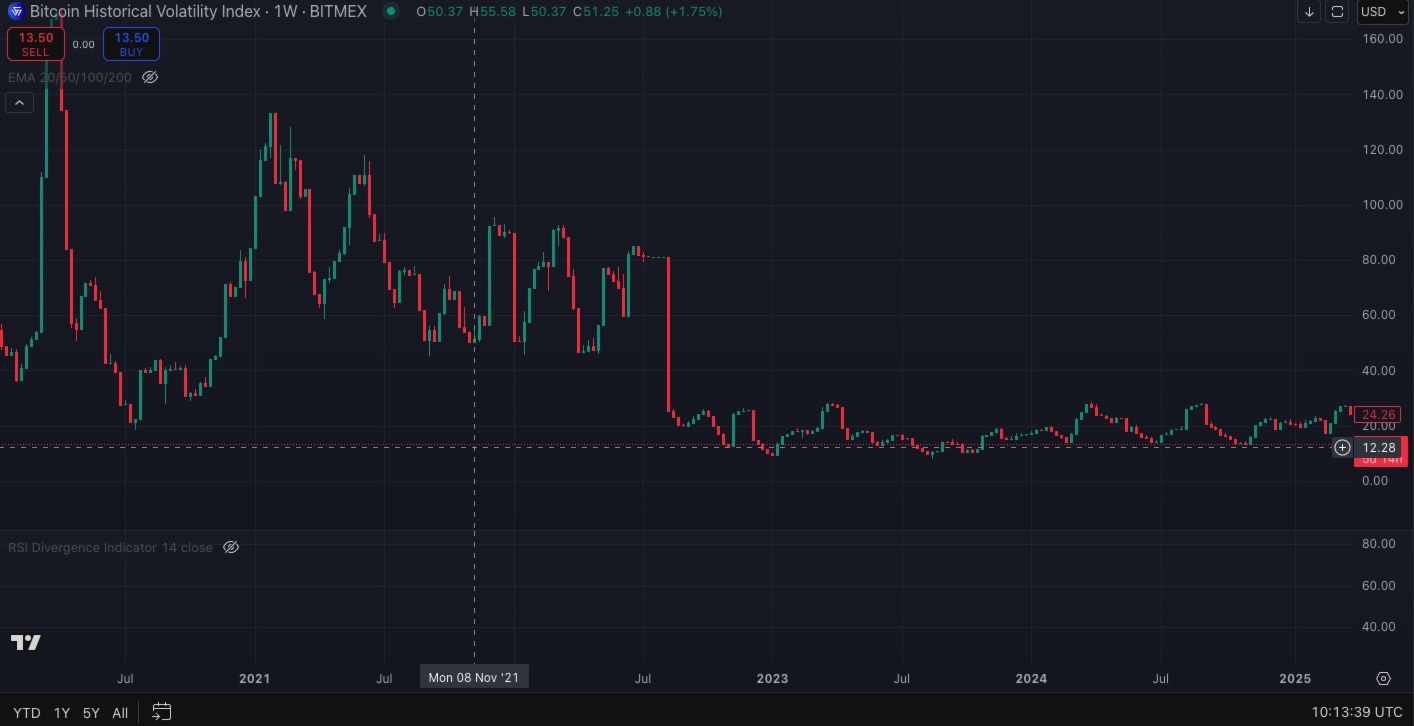
No analysis would be complete without acknowledging the elephant in the room: volatility. Even as institutional adoption grows and regulatory clarity improves, bitcoin’s daily swings remain far larger than those seen in blue-chip stocks or index funds. This means while potential rewards are high, so too are risks - especially if you’re nearing retirement age or depend on stable withdrawals.
If you want to run scenarios based on different market outcomes or adjust for inflation and lifestyle needs across countries, see our deeper dive at Will Less Than 1 Bitcoin Be Enough To Retire By 2035?.
With the numbers in front of you, it’s tempting to view Bitcoin as a golden ticket to retirement. But as with any retirement plan, context and discipline are everything. The key is not just how much Bitcoin you accumulate, but how you balance it against other holdings and adapt as your financial situation evolves.
Balancing Crypto With Traditional Assets
Bitcoin’s outsized return potential is alluring, but even the most optimistic forecasts don’t eliminate risk. A prudent approach is to use Bitcoin as a growth lever within a diversified portfolio, think of it as a complement, not a replacement, for core holdings like stocks, bonds, or low-cost target-date funds. These traditional vehicles still offer stability and automatic rebalancing that can help offset crypto’s volatility over time.
Pros and Cons of Adding Bitcoin to Your 401(k)
- Potential for High Returns: Bitcoin has shown significant long-term growth, with the current price at $116,420 and some projections estimating it could reach $1.02 million by 2035. This growth potential can help accelerate retirement savings if the trend continues.
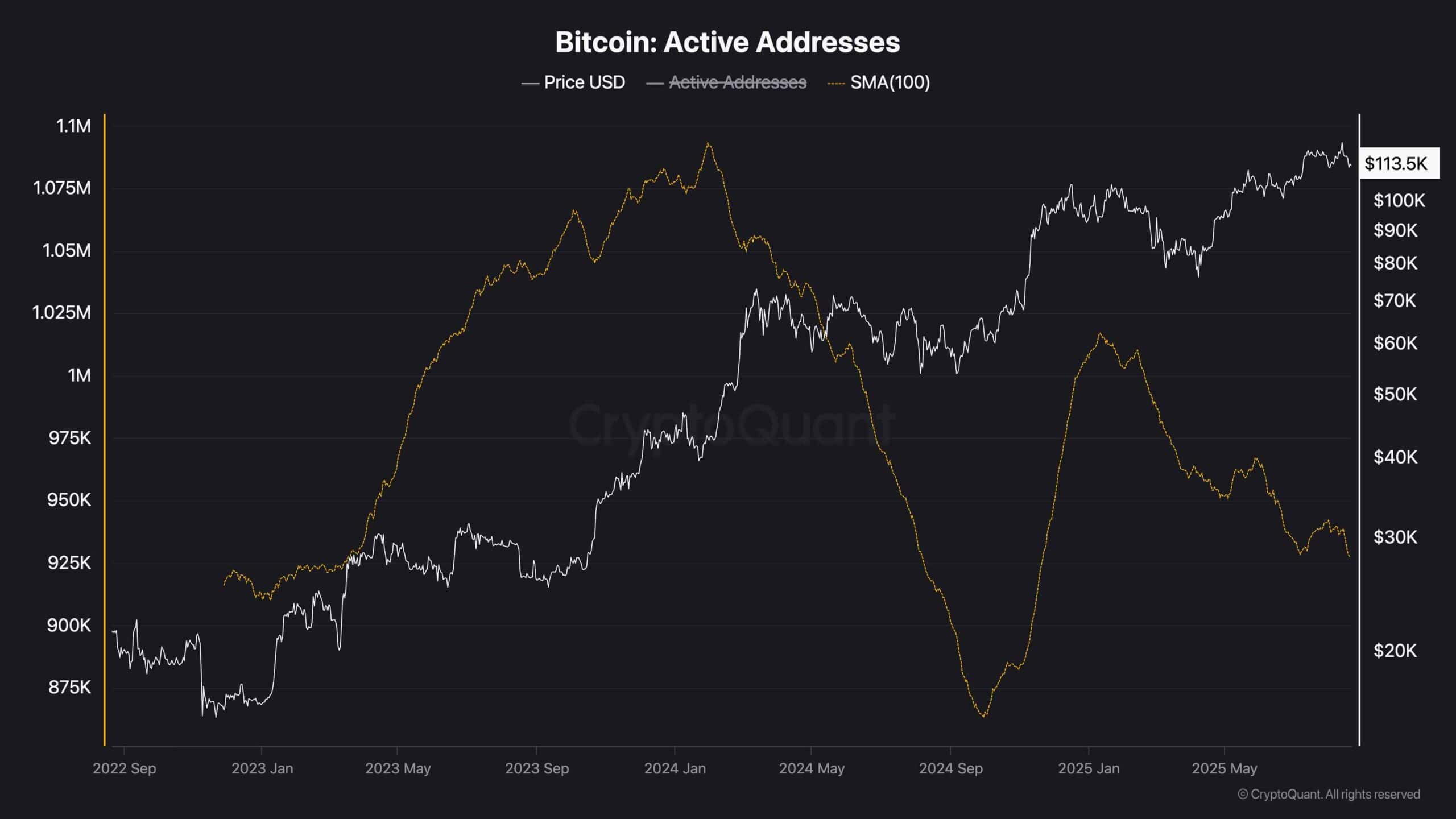
- Portfolio Diversification: Adding Bitcoin can provide diversification beyond traditional stocks and bonds, potentially reducing overall portfolio risk if managed carefully.

- Inflation Hedge: Bitcoin is often viewed as a hedge against inflation due to its fixed supply of 21 million coins, unlike fiat currencies that can be printed in unlimited quantities.

- Volatility Risk: Bitcoin is highly volatile, with daily price swings (e.g., a 24h change of +$3,392 recently). This can lead to significant short-term losses, making it riskier than traditional 401(k) investments like target-date funds.
- Regulatory Uncertainty: Cryptocurrency regulations are evolving. Sudden changes could impact your ability to hold or trade Bitcoin within retirement accounts.

- Limited 401(k) Access: Not all 401(k) plans currently offer direct exposure to Bitcoin. Investors may need to use options like Bitcoin ETFs (e.g., iShares Bitcoin Trust ETF) or trusts, which can carry additional fees and risks compared to traditional funds.
- Established Track Record of Traditional Funds: Low-cost target-date funds (e.g., Vanguard Target Retirement 2025 Fund, Fidelity Freedom 2025 Fund) offer automatic rebalancing, professional management, and a long history of steady returns, making them a reliable choice for many investors.

For most investors, an allocation of 5-10% of total retirement assets to crypto is considered aggressive but reasonable, enough to benefit from potential upside without jeopardizing overall security. The exact number depends on your age, risk tolerance, and how close you are to retirement.
Practical Steps for 401(k) Crypto Investors
Ready to act? Here’s how to get started:
- Check your plan: Confirm whether your employer’s 401(k) offers access to cryptocurrency via ETFs or trusts. If not, consider an IRA rollover with broader investment options.
- Use dollar-cost averaging: Instead of trying to time the market, make regular contributions, this smooths out price swings and builds discipline over time.
- Revisit your allocation yearly: As Bitcoin grows (or shrinks), rebalance so that crypto doesn’t become too large a share of your portfolio relative to your goals.
- Stay educated: Crypto regulations shift quickly; keep up-to-date with IRS rules and plan-level changes that affect tax treatment or withdrawal rules.

If you’re unsure about the right allocation or want clarity on cross-border considerations (especially if planning international retirement), our country-by-country analysis offers tailored insights for global investors navigating crypto in their 401(k)s.
Looking Ahead: Planning for Uncertainty With Confidence
The future price of Bitcoin is unknowable, but what remains within your control is the discipline with which you invest and adjust along the way. By anchoring your strategy in real market data ($116,420 per BTC today), setting realistic targets (like the 0.98 BTC needed for $1 million by 2035), and maintaining flexibility in response to both market moves and personal circumstances, you put yourself in the best position possible for long-term success.
The democratization of investing means more people than ever can access meaningful ownership stakes in new asset classes like Bitcoin, just remember that responsible planning beats speculation every time. Approach crypto as one tool among many in your retirement arsenal, and let balance be the foundation of your growth.




No comments yet. Be the first to share your thoughts!